
Coelostegia borneensis
Coelostegia borneensis
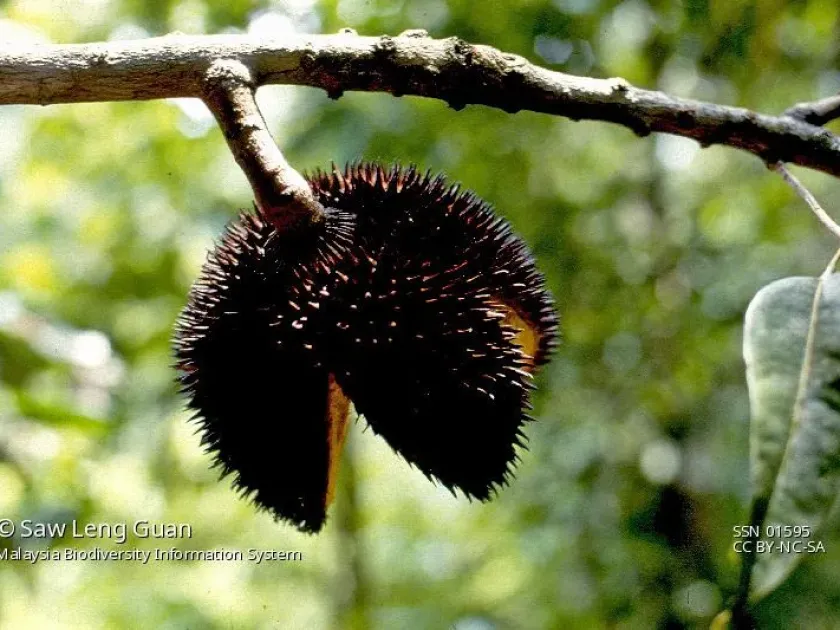
Description
Growing requirements
Coelostegia borneensis is a distinct tropical tree species belonging to the Malvaceae family. Native to the island of Borneo, this species is a significant component of the primary lowland tropical rainforests.
The tree thrives in environments characterized by high annual precipitation and consistently warm temperatures. It is well-adapted to the humid microclimate found under the dense canopy of tropical forest ecosystems.
Soil requirements include deep, well-drained alluvial or loamy textures that provide adequate moisture retention without causing stagnation. The root architecture is complex, requiring fertile ground to support its significant structural development.
Shade tolerance is a critical factor for juvenile plants. In nursery conditions, the species requires light intensity management to prevent dehydration and to promote gradual physiological hardening before field establishment.
Effective management requires maintaining a stable environment that mirrors its natural habitat. Soil conservation practices are essential, as the species relies on natural nutrient cycling and a healthy rhizosphere for sustained growth.
Yield
The primary economic value of Coelostegia borneensis lies in its timber production. The wood is utilized for local construction purposes and the manufacturing of furniture, favored for its durability and workable properties.
Harvesting strategies are typically oriented toward selective logging practices within sustainable forestry frameworks. The yield is measured by the growth rate of the trunk diameter, which reflects the tree's health and the site's productive capacity.
The quality of the timber harvested depends on the rotation age of the stand. Younger timber is generally softer, while mature specimens offer higher density and improved mechanical resistance, making them ideal for high-value applications.
Beyond traditional timber use, there is an ongoing scientific interest in identifying bioactive compounds within its biomass. This could potentially diversify the economic reliance on this tree species in the future.
Strategic management of plantation density helps optimize the long-term biomass yield while ensuring the ecosystem remains resilient against local climatic fluctuations or environmental stressors.