
Coelocaryon botryoides
Coelocaryon botryoides
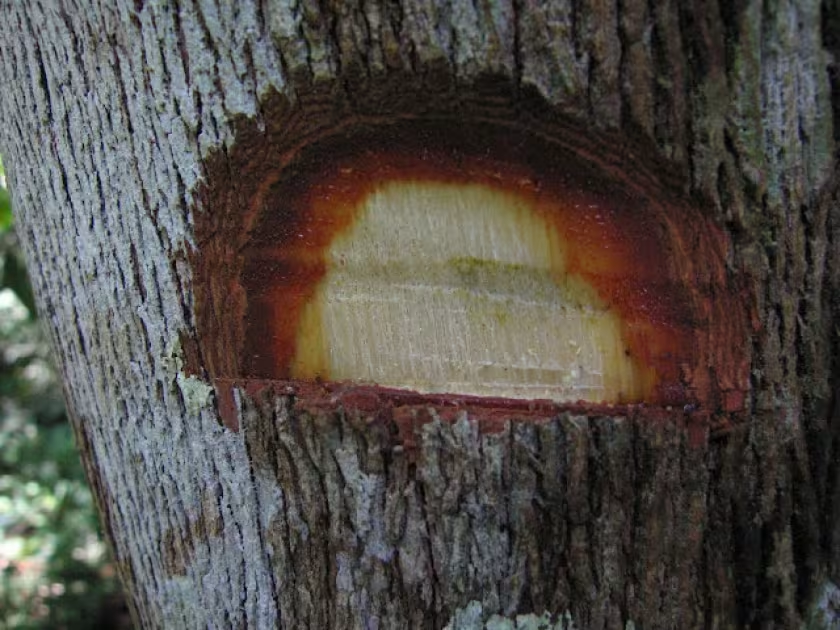
Description
Growing requirements
Coelocaryon botryoides is a notable tree species belonging to the Myristicaceae family, native to the tropical rainforests of Central and West Africa. As a forest-dwelling species, it plays a vital role in the complex structure of equatorial ecosystems.
The climatic requirements for this species are strictly tropical, demanding high levels of precipitation and constant, warm temperatures throughout the entire year. It is highly sensitive to frost and extreme drought, which can severely hinder its growth and development.
Regarding soil, Coelocaryon botryoides prefers deep, fertile, and well-drained soils found in low-lying tropical regions. It thrives best where the organic matter content is high, ensuring sufficient nutrient availability for its massive growth requirements.
Botanically, the tree is recognized by its dense canopy and inflorescences that produce cluster-like fruits, from which the name botryoides is derived. The wood of this species is valued for its texture and utility in various wood-working applications.
The primary economic focus for this tree is sustainable timber production. It is highly regarded in local and international markets for creating furniture components, interior veneers, and high-quality plywood products.
Main diseases and pests
The species faces significant risks from fungal pathogens that thrive in the high-humidity environment of the rainforest, particularly affecting mature individuals with structural wounds.
Pests, such as various types of wood-boring beetles, are major threats to the timber quality. Implementing effective forest management and monitoring systems is essential to minimize losses caused by biological factors.