
Garden croton
Codiaeum hybrids
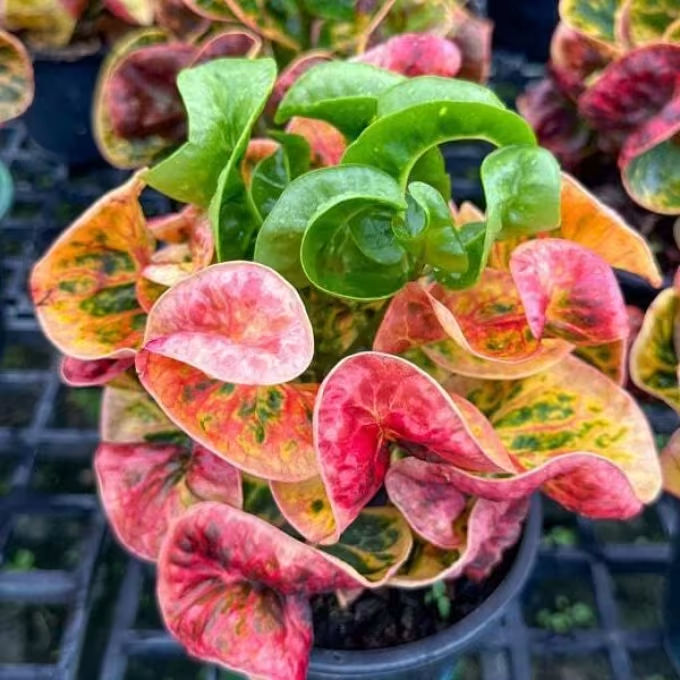
Description
Growing requirements
Garden croton (Codiaeum variegatum) is a member of the Euphorbiaceae family, widely recognized for its vibrant and variegated foliage. Originally native to tropical regions of Southeast Asia and Oceania, it thrives in warm, humid environments.
The plant requires bright, filtered light to maintain its intense color patterns. While it needs plenty of light, direct sunlight can lead to leaf scorching, especially during peak afternoon hours, necessitating a balanced exposure.
Optimal growth occurs at temperatures ranging between 20 and 26 degrees Celsius. Garden croton is highly sensitive to cold drafts and sudden temperature fluctuations, which often result in premature leaf drop and physiological stress.
A well-draining, nutrient-rich soil mix is crucial for the health of the plant. A mixture containing peat, pine bark, and perlite helps maintain moisture while allowing sufficient aeration for the roots to prevent rot.
Consistent humidity levels are essential for this tropical plant. Regular misting, the use of pebble trays, or operating a humidifier in the growing area helps mimic its natural habitat and ensures healthy, turgid leaves.
Main diseases and pests
Spider mites are the most significant pest concern for Garden croton, particularly in indoor environments with dry air. They feed on the underside of leaves, causing yellowing and fine webbing between the stems.
Scale insects often present a challenge, appearing as small, waxy bumps on the stems and leaf veins. Manual removal followed by an application of insecticidal soap is typically required to manage and eradicate these pests.
Root rot, a result of waterlogged soil, is the most common disease associated with overwatering. It is characterized by blackened stems and wilting leaves, often leading to the rapid decline of the entire plant structure.
Bacterial leaf spots may occur in conditions where leaves remain wet for extended periods or when air circulation is inadequate. Removing affected leaves and improving ventilation is necessary to control the spread of infection.
Preventative care involves regular monitoring of the underside of leaves and keeping the plant clean from dust. Proper spacing between plants ensures adequate airflow, which is a major factor in reducing disease prevalence.