
Clibadium surinamense
Clibadium surinamense
Description
Growing requirements
Clibadium surinamense is a plant belonging to the Asteraceae family. It is native to tropical regions of the Americas and is often identified as a robust shrub or perennial herb growing in diverse ecological niches.
The plant thrives in warm, humid conditions with temperatures ranging from 22 to 30 degrees Celsius. It requires significant sunlight for optimal biomass production, though it can tolerate partial shade in its natural habitat.
Ideal soil for cultivation is deep, well-drained, and rich in organic matter. A neutral to slightly acidic soil reaction is preferred, as extreme pH levels can limit the availability of essential micronutrients for the plant.
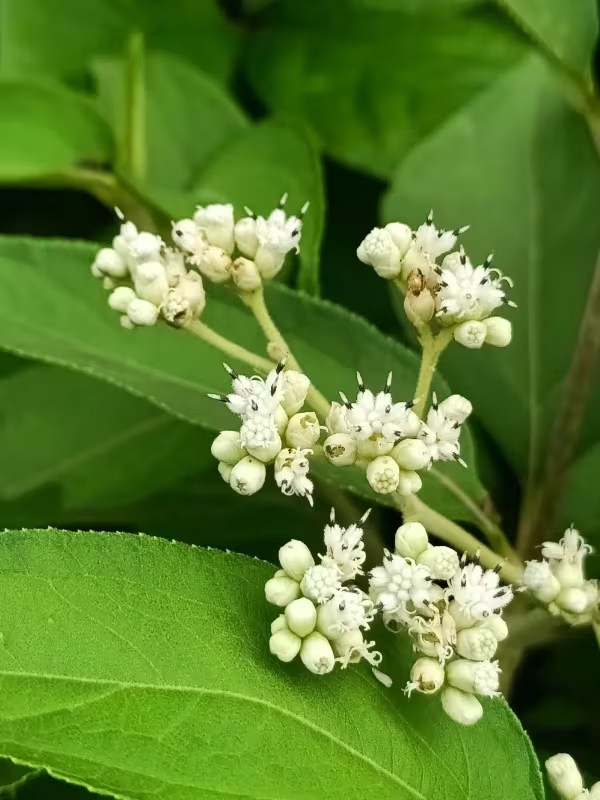
Botanically, it features opposite, simple leaves and numerous small flower heads. The plant's architecture is characterized by dense branching, which provides high foliage yield under favorable growing conditions.
Agronomic management focuses on maintaining moisture levels without creating waterlogged conditions. Regular monitoring of the soil structure is essential to prevent root asphyxiation during high rainfall seasons.
Main diseases and pests
Fungal pathogens such as powdery mildew represent the primary disease challenge for Clibadium surinamense. These thrive in stagnant air and high humidity, requiring active ventilation strategies.
Insect pests, including aphids and various leaf-eating beetles, can cause significant damage. Early detection is critical, and integrated pest management (IPM) practices are highly recommended for control.
Soil-borne pathogens can be mitigated by ensuring proper drainage and avoiding the introduction of infected plant materials from wild populations into cultivated plots.
Crop rotation is advised when dealing with large-scale cultivation to prevent the buildup of specific soil pathogens that can impact the longevity of the perennial shrubs.
Weed management is vital during the establishment phase, as the young plants are sensitive to competition. Mulching is often used as an effective strategy to suppress weeds and conserve soil moisture.