
Songar clematis
Clematis songarica
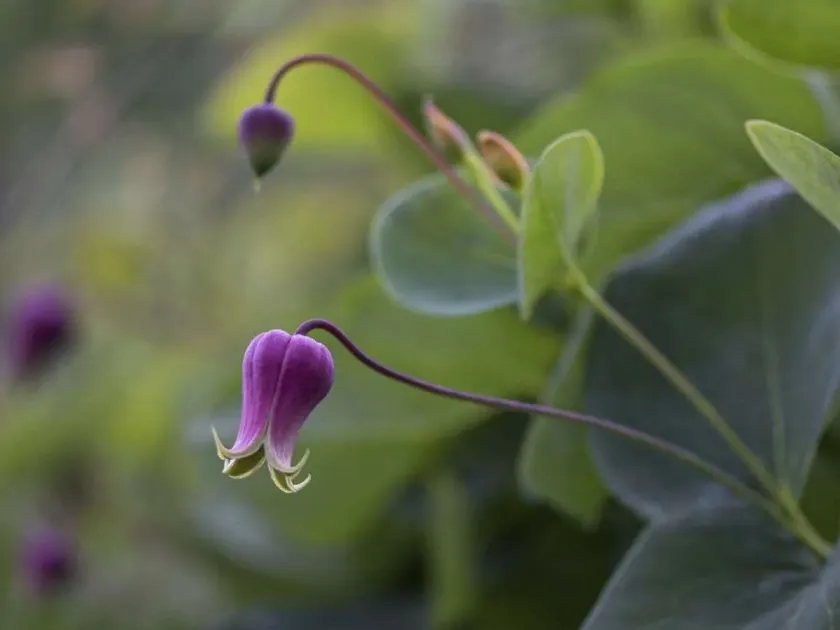
Description
Growing requirements
Songar clematis (Clematis songarica) is a hardy perennial subshrub belonging to the Ranunculaceae family. It is recognized for its woody stems and deep root system, which allow it to thrive in harsh environments.
The native habitat includes the arid regions of Central Asia, Mongolia, and Northern China. This plant is perfectly adapted to rocky slopes, sandy soils, and extreme fluctuations in day and night temperatures.
Success in cultivation requires full sun exposure and excellent soil drainage. It is highly intolerant of waterlogging, which often leads to root decay, making it essential to choose well-drained, porous ground.
The plant is highly drought-tolerant and displays significant resistance to soil salinity. These traits make it a candidate for phytoremediation and soil stabilization projects in degraded or desertified areas.
Agricultural management is relatively simple, requiring minimal intervention once the plant is established. Propagation is primarily through seeds, which often benefit from cold stratification to ensure better germination rates.
Yield
The economic value of Songar clematis lies in its medicinal properties and its utility as a protective ground cover. It is a source of bioactive compounds used in various herbal formulations.
Harvesting for medicinal purposes typically takes place when the plant reaches its biomass peak during the flowering phase. Productivity fluctuates based on moisture availability and soil nutrient levels.
The chemical composition, which includes saponins and various alkaloids, gives the plant potent antimicrobial and healing properties, which are of significant interest to the pharmaceutical sector.
In addition to medicinal uses, it is increasingly valued in landscape architecture for its ability to provide dense foliage in arid, low-maintenance urban settings.
Ongoing agricultural research focuses on standardizing the cultivation methods to improve the quality of raw material and ensure sustainable yields for industrial processing.
Main diseases and pests
Fungal diseases, including powdery mildew and various types of leaf spot, represent the primary health threats to Songar clematis crops under humid conditions.
Insect pests such as spider mites and aphids are known to feed on the foliage, particularly during dry and hot summer months, which may necessitate careful monitoring.
Root rot remains the most significant risk factor. It is almost exclusively caused by improper irrigation practices or planting in soils with heavy clay content that retains too much water.
Nematode infestations can occasionally affect the root system, leading to stunted growth and reduced vigor. Implementing proper crop rotation is crucial to mitigate these issues.
The most effective management strategy involves maintaining optimal cultural conditions, ensuring adequate air circulation, and promoting the natural resilience of the plant through healthy growth habits.