
Clematis quinquefoliata
Clematis quinquefoliata
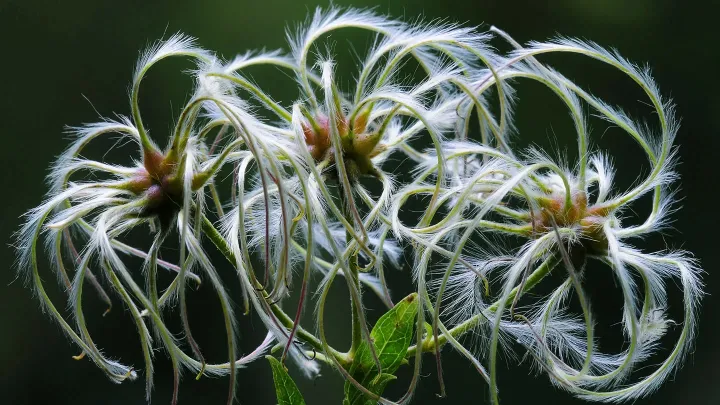
Description
Sowing dates
Clematis quinquefoliata is a woody climbing vine belonging to the Ranunculaceae family. It is highly valued in horticulture for its vigorous growth rate and aesthetic appeal in vertical landscaping.
Propagation through seeds requires stratification, where seeds are exposed to cold temperatures to break dormancy. Sowing is typically performed in late autumn to ensure germination during the following spring.
For vegetative propagation, softwood cuttings are harvested during the early summer months. Using a rooting hormone and a well-draining medium significantly improves the success rate of young vines.
Transplanting should occur once the risk of spring frost has completely passed. It is crucial to handle the root ball carefully to prevent shock, as these plants establish themselves best when undisturbed.
During the initial growth phase, consistent moisture is necessary. Once established, the vine becomes more resilient, although regular monitoring is required during extended periods of drought.
Growing requirements
This species thrives in sunny locations but benefits from having its roots shaded. A layer of organic mulch at the base of the plant can help maintain soil temperature and moisture levels.
The ideal soil is fertile, loose, and well-draining with a neutral to slightly alkaline pH. If the soil is too heavy, amending it with organic matter and sand is recommended to improve root health.
Sturdy vertical supports are essential for the growth of Clematis quinquefoliata. Trellises, wire fences, or arbors provide the necessary structure for the plant to climb effectively using its leaf petioles.
Nutrition management involves balanced fertilization. Application of phosphorus-rich fertilizers during the growing season promotes stronger stems and more abundant foliage development.
Pruning is a vital aspect of maintenance. Regular trimming helps manage the size of the plant, prevents excessive tangling, and promotes long-term health by removing dead or diseased sections.
Main diseases and pests
Fungal diseases are the most common challenge in cultivating this vine. Wilt (caused by soil-borne fungi) can lead to rapid decay of stems, requiring immediate sanitation and removal of affected parts.
Powdery mildew often appears during humid weather with poor air circulation. Increasing spacing between plants and applying appropriate fungicides can mitigate the impact of this condition.
Pests such as aphids and spider mites can attack the new growth. Regular inspection and the use of insecticidal soaps are usually sufficient to manage these common garden pests.
Root-knot nematodes can also affect the plant in certain soil types. Ensuring the use of clean, certified nursery stock is the best defense against introducing these soil-borne parasites.
Preventative measures, including keeping the site clean of debris and ensuring good airflow, are crucial for minimizing the reliance on chemical treatments for pest and disease control.