
Clematis orveniae
Clematis orveniae
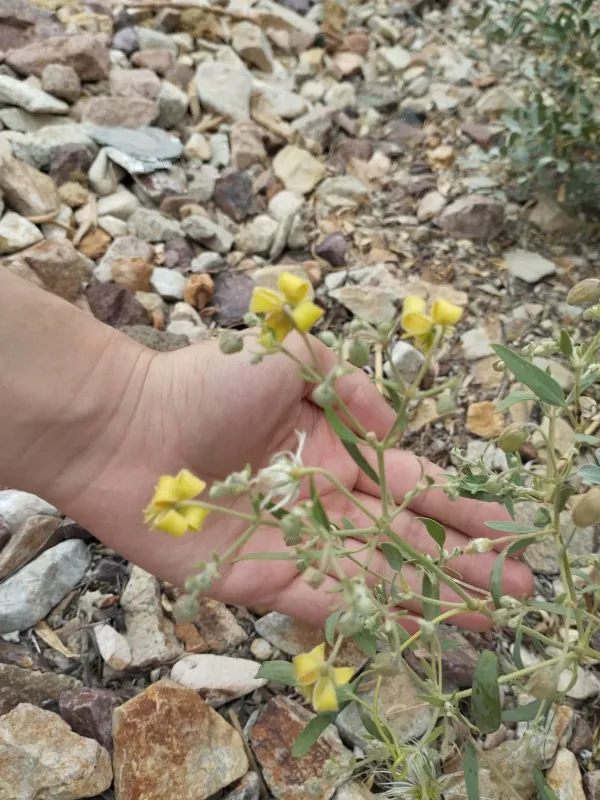
Description
Growing requirements
Clematis orveniae is a perennial climbing plant belonging to the Ranunculaceae family. It is known for its high decorative value in landscaping and requires specific conditions to thrive in various garden settings.
The plant demands well-drained, fertile soil with a neutral pH level. It is essential to ensure that the site for planting does not suffer from waterlogging, as this significantly increases the risk of root rot.
Climatic requirements focus on a balance between sun exposure and cooling. While the canopy prefers direct sunlight to promote flowering, the root base must be shaded or mulched to prevent overheating.
Agrotechnical maintenance includes the provision of vertical support structures. Training the vines regularly ensures optimal growth and prevents mechanical damage caused by heavy winds or excessive foliage weight.
The main purpose of this culture is ornamental gardening. It is widely used for covering trellises, arbors, and walls, serving as a key element in vertical garden design and architecture.
Main diseases and pests
The most devastating disease for Clematis orveniae is wilt, which causes sudden collapse of the vines. It is typically caused by soil-borne pathogens that target the vascular system of the plant.
Powdery mildew represents another major threat, manifesting as a white fungal growth on the leaves. It thrives in humid conditions and can be mitigated through proper plant spacing and airflow.
Root-knot nematodes are significant pests that affect the subterranean parts of the plant. Infestation leads to stunted growth and yellowing, necessitating the use of nematicides or soil solarization.
Aphids and spider mites are common pests that feed on the succulent tips of the stems. If left unchecked, these insects can cause significant deformity and loss of aesthetic appeal.
Preventive care involves strict sanitation practices, including the removal of dead or infected plant parts and keeping the surrounding soil free of weeds that may host various pests.