
Japanese clematis
Clematis japonica
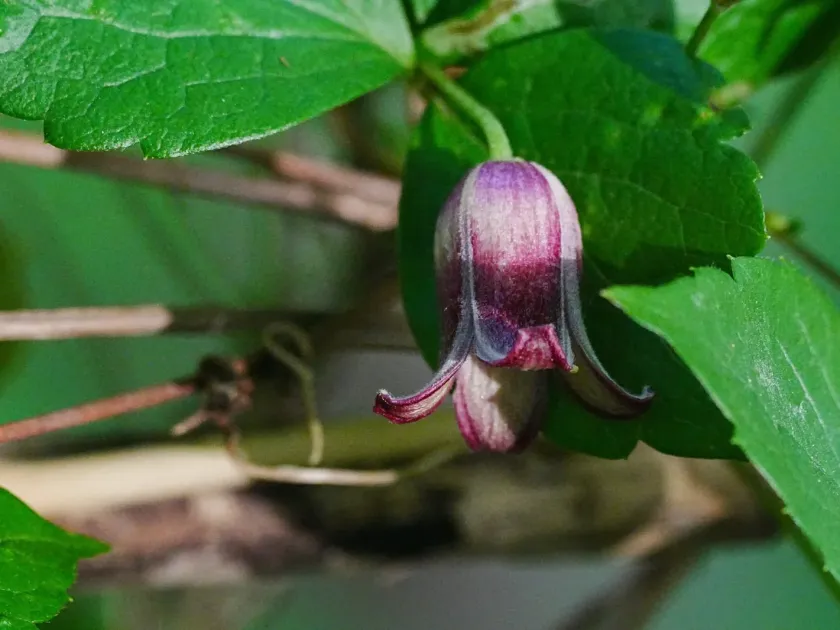
Description
Growing requirements
Japanese clematis (Clematis japonica) is a perennial woody vine belonging to the Ranunculaceae family. Native to the mountain regions of Japan, this plant has adapted to thrive in forest margins where soil is rich in organic matter and protection from intense heat is available.
The culture requires well-drained, fertile soil with a neutral to slightly alkaline pH. Drainage is crucial, as the roots are sensitive to waterlogging, which often leads to root rot if the soil structure is too heavy or compacted.
When selecting a site, it is best to choose a location that offers partial shade, especially during the hottest hours of the day. Providing a sturdy vertical support system is essential for the vine to climb and reach its maximum aesthetic potential.
Climate preferences include temperate environments where seasonal cycles allow for a period of dormancy. While hardy, the plant benefits from mulch around the base in colder regions to insulate the roots from sudden ground freezes.
Regular maintenance involves balanced fertilization during the spring to support vigorous foliage growth. Consistent moisture levels, achieved through regular watering during dry spells, are necessary to ensure the plant remains stress-free and productive.
Main diseases and pests
The primary threats to Japanese clematis include fungal pathogens, particularly those responsible for vascular wilt. Once established, wilt can cause rapid decline of the vine, making preventative care and proper site drainage essential.
Pests such as aphids and spider mites are frequent invaders during warm, dry weather. These insects typically cluster on the undersides of leaves or soft growing tips, necessitating monitoring and occasional insecticidal intervention.
Powdery mildew can impact the foliage when humidity is high but air circulation is poor. Keeping the area around the base of the vine clear of debris and ensuring enough space between plants helps mitigate this risk.
Root-knot nematodes can weaken the plant by attacking the root system, which may be difficult to detect until the plant begins to show signs of general thinning. Using high-quality substrate and avoiding infected soil can help prevent infestations.
General hygiene practices, such as removing dead or diseased foliage at the end of the season, significantly reduce the pressure from pathogens. Early detection and targeted treatment of any unusual symptoms keep the plant resilient and healthy.