
Clematis francofurtensis
Clematis francofurtensis
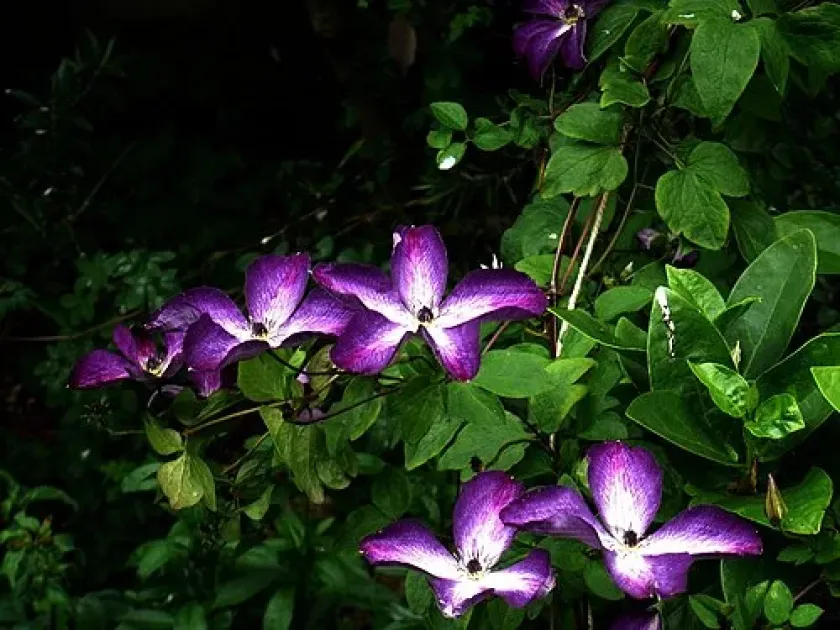
Description
Growing requirements
Clematis francofurtensis belongs to the Ranunculaceae family and is a robust perennial vine widely cultivated for its ornamental value. It originated as a hybrid form, specifically bred for its vigorous growth habits and long flowering period.
The plant thrives in locations with full sun exposure for the foliage, while the root zone requires shaded, cool conditions to prevent overheating. Fertile, well-draining soil with a neutral pH is essential for optimal growth and development.
Regarding climate, this species prefers moderate temperatures and is adapted to temperate regions. While it exhibits decent hardiness, providing a thick layer of mulch before winter is standard practice to protect the root system from deep frosts.
Proper agronomic maintenance requires sturdy vertical supports, such as trellises or arbors, to allow the vine to climb effectively. Watering must be consistent, ensuring the moisture reaches deep into the soil without causing waterlogging.
Fertilization is a critical step in the growing season; high-nitrogen inputs in spring promote vegetative growth, while switching to phosphorus-rich fertilizers during the budding phase significantly improves flower quality and size.
Main diseases and pests
The most devastating disease for Clematis francofurtensis is vascular wilt (Clematis wilt), often caused by Phoma clematidina. It leads to sudden collapse of stems, and aggressive pruning of infected parts is necessary for survival.
Powdery mildew represents a common fungal threat, especially in humid and poorly ventilated environments. Proactive management includes thinning out branches to ensure airflow and applying fungicides if local outbreaks occur.
Root-knot nematodes can severely inhibit nutrient uptake by damaging the underground structures. Planting in sterilized soil or using resistant rootstocks remains the most effective long-term defense against these pathogens.
Sucking insects, including aphids and spider mites, are frequent pests that cause leaf curling and vitality loss. Integrated pest management, focusing on biological controls or systemic insecticides, is recommended for effective suppression.
Winter damage from voles and mice is a significant concern for the woody base of the vines. Protecting the lower stems with wire mesh or repellents during the dormant season prevents long-term injury to the plant’s infrastructure.