
Clausia trichosepala
Clausia trichosepala
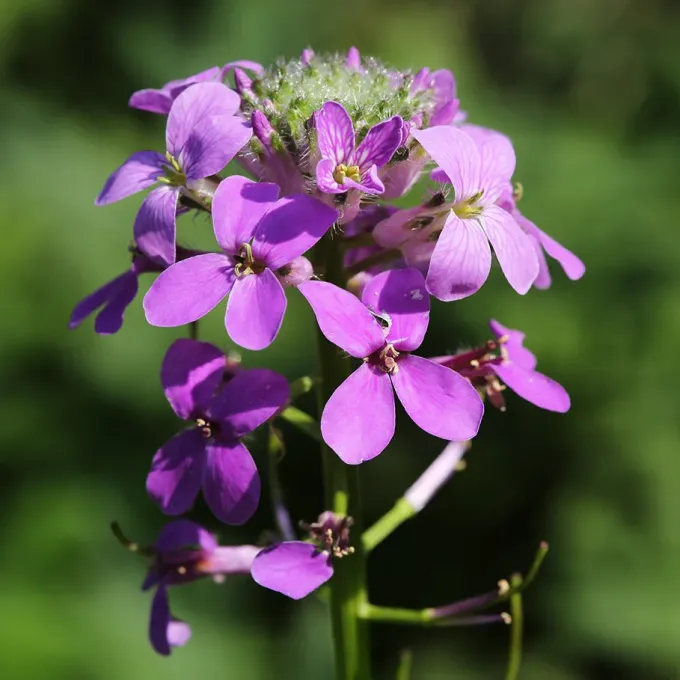
Description
Sowing dates
Clausia trichosepala is a hardy perennial belonging to the Brassicaceae family. It is known for its ability to thrive in demanding environments, which makes it a unique subject for agricultural research.
The biological development of this species is characterized by robust early growth, allowing it to establish itself effectively during the cooler parts of the growing season.
Seed germination is generally successful under stable moisture conditions, provided that the soil temperature is sufficient to break dormancy.
Agronomic strategies for this culture focus on optimizing sowing density to ensure competitive growth while maximizing the production of biomass.
Proper management of the sowing date is essential to align the plant's peak growth stages with the most favorable climatic conditions in a given region.
Growing requirements
The plant demonstrates a strong preference for well-drained, sandy-loam soils that prevent water stagnation around the delicate root system.
It requires high levels of solar radiation to maintain its structural integrity and metabolic activity, performing best in full sun exposure.
Clausia trichosepala is highly drought-tolerant, surviving long periods of water scarcity through deep root architecture and physiological adaptations.
Regarding soil fertility, the plant performs well in soils with a balanced nutrient profile, showing moderate response to standard potassium fertilization.
Maintenance practices involve periodic weeding, particularly in the early stages, as the plant can be sensitive to aggressive competing vegetation.
Main diseases and pests
Like many members of the mustard family, this species is susceptible to crucifer-feeding beetles, which can cause significant damage if not managed.
Fungal pathogens associated with high humidity levels, such as mildew, are potential threats if the planting site lacks proper air circulation.
Root pathogens represent a significant risk factor in soils with poor structure, necessitating site preparation before the establishment of the crop.
Integrated pest management protocols are recommended to maintain plant health while minimizing chemical residues in the agricultural environment.
Effective monitoring and sanitation of the crop rows remain the primary defenses against disease outbreaks throughout the vegetative period.