
Clathrotropis macrocarpa
Clathrotropis macrocarpa
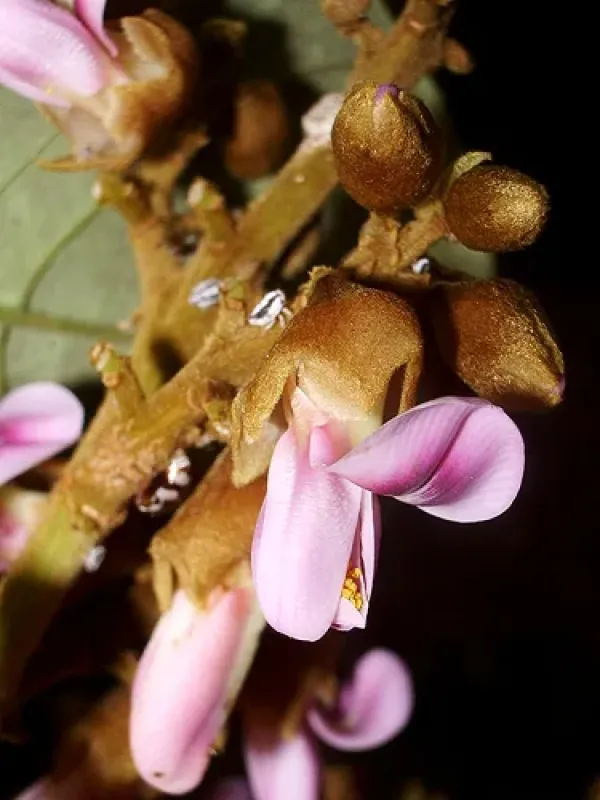
Description
Growing requirements
Clathrotropis macrocarpa is a significant tree species belonging to the Fabaceae family, native to the tropical rainforests of South America, particularly in the Amazon Basin.
The species thrives in humid tropical environments, requiring consistent warmth and high humidity levels to maintain optimal growth rates throughout the year.
In terms of soil requirements, the tree prefers well-drained acidic soils that are rich in nutrients, common in the dense tropical forest landscape.
Botanically, it is classified as a large tree with distinctive large legume fruits, which is a key identifying characteristic of the Clathrotropis genus within the bean family.
The wood harvested from this tree is commercially recognized for its durability and resistance to rot, making it a valuable resource for local and regional forestry sectors.
Main diseases and pests
Pests and diseases are primarily associated with the humid environment, where fungal pathogens can thrive on both leaves and woody tissues.
Wood-boring insects represent a significant threat to the structural integrity of mature trees, potentially reducing the timber quality for commercial use.
Deforestation and habitat fragmentation are the most critical threats to the long-term survival of the species, as it relies on specific primary forest ecosystems.
Seed predators, such as various species of weevils, pose a constant threat to the regeneration of the population by consuming the seeds before they can germinate.
Effective management of this tree species involves careful monitoring of forest health to identify early signs of infestations and minimizing disturbance to the forest understory.