
Circaeaster agrestis
Circaeaster agrestis
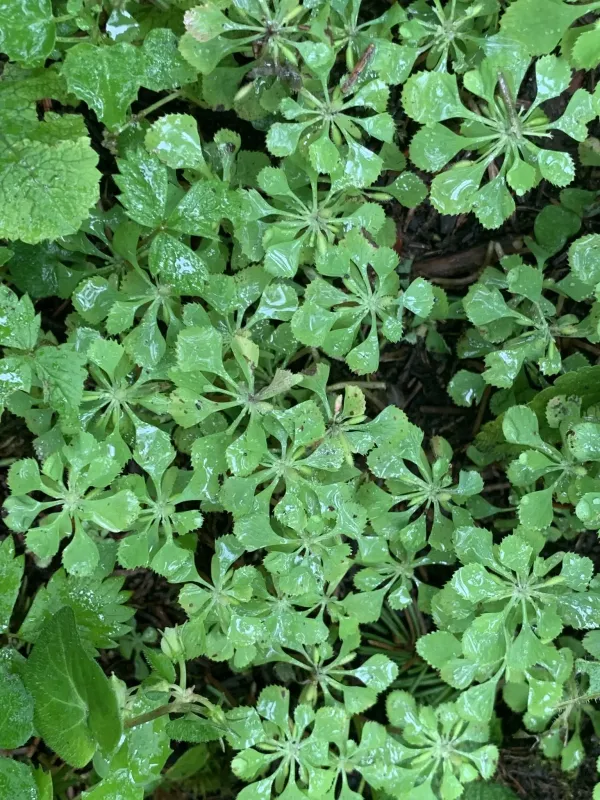
Description
Growing requirements
Circaeaster agrestis is an extraordinary annual herbaceous plant that stands as the sole member of the Circaeasteraceae family. This species is often referred to as a living fossil, maintaining ancient morphological traits that have persisted through evolutionary time.
The native habitat of this plant is restricted to the high-altitude regions of the Himalayas and Western China. It thrives in shaded, cool, and damp forest understories, where it is sheltered from the intense alpine sun and fluctuating environmental conditions.
Cultivation requirements are highly specialized, necessitating a substrate rich in organic matter with excellent drainage properties. The plant is extremely sensitive to waterlogging, which necessitates careful management of soil moisture to prevent root decay in non-natural settings.
Agricultural practices for this species do not exist, as it is not a commercial crop. Any attempt at cultivation is purely academic, requiring environmental control systems that mimic the high-altitude, humid, and cool mountain conditions typical of its endemic origin.
The significance of Circaeaster agrestis lies primarily in its unique leaf venation patterns, which have been the subject of numerous botanical studies. It serves as a vital reference point for understanding early angiosperm evolution and remains protected in its natural range.