
Chrysothemis pulchella
Chrysothemis pulchella
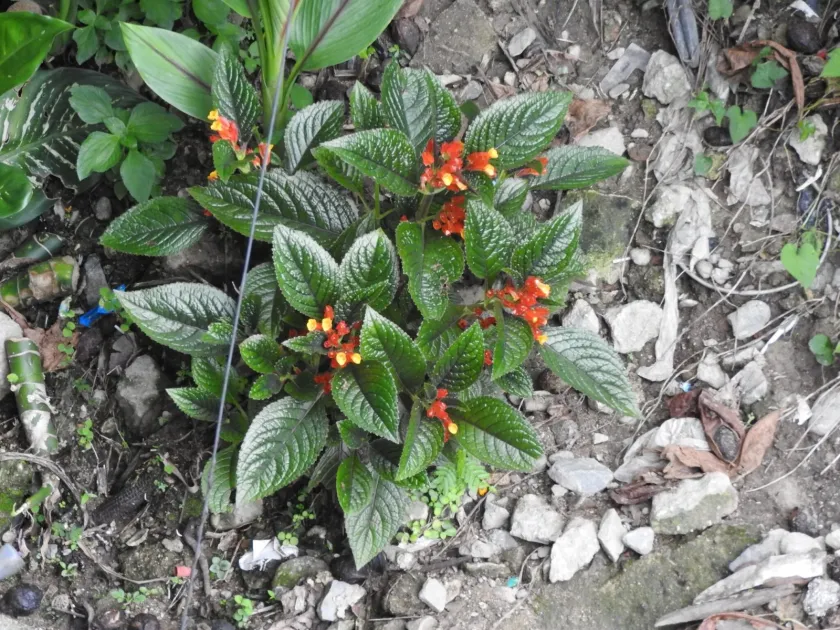
Description
Growing requirements
Chrysothemis pulchella, known as the golden leopard plant, is a perennial herb belonging to the Gesneriaceae family. Originating from the tropical regions of Central and South America, it thrives in high-humidity forest floor environments.
This plant requires a stable temperature range between 20 and 25 degrees Celsius. It is highly sensitive to cold drafts and rapid temperature fluctuations, which can cause significant stress or leaf drop in the plant.
The substrate must be well-draining, airy, and rich in organic matter. A mixture consisting of peat moss, perlite, and leaf mold is recommended to ensure adequate root oxygenation while maintaining necessary moisture levels.
Light requirements for Chrysothemis pulchella involve bright, indirect sunlight. Direct exposure to intense sun can scorch the foliage, while insufficient lighting will lead to weak stems and a lack of vibrant color in the bracts.
Watering should be managed with care; the soil should remain consistently moist but never waterlogged. Using tepid water for irrigation helps avoid thermal shock to the root system, especially during cooler seasons.
Main diseases and pests
Common pests affecting this culture include spider mites, mealybugs, and scale insects. These pests often congregate on the underside of the leaves, where they feed on sap and can cause premature leaf senescence if left untreated.
Fungal diseases are often triggered by improper maintenance practices, particularly overwatering and poor air circulation. Root rot and gray mold (Botrytis) are the most frequent health issues encountered in greenhouse or indoor production.
Effective pest management involves the use of horticultural oils or systemic insecticides approved for use on indoor plants. Early detection via regular inspections is crucial to preventing an infestation from spreading to neighboring plants.
To prevent fungal development, it is essential to allow the surface of the soil to dry out slightly between waterings. Maintaining good air movement around the foliage helps keep moisture levels in check and discourages pathogen growth.
In cases of severe infection, trimming the affected parts of the plant and repotting in fresh, sterile soil is recommended. Proper sanitation of pots and tools is a fundamental practice in protecting the plant from recurring disease cycles.