
Indian chrysanthemum
Chrysanthemum indicum x Erigeron annuus
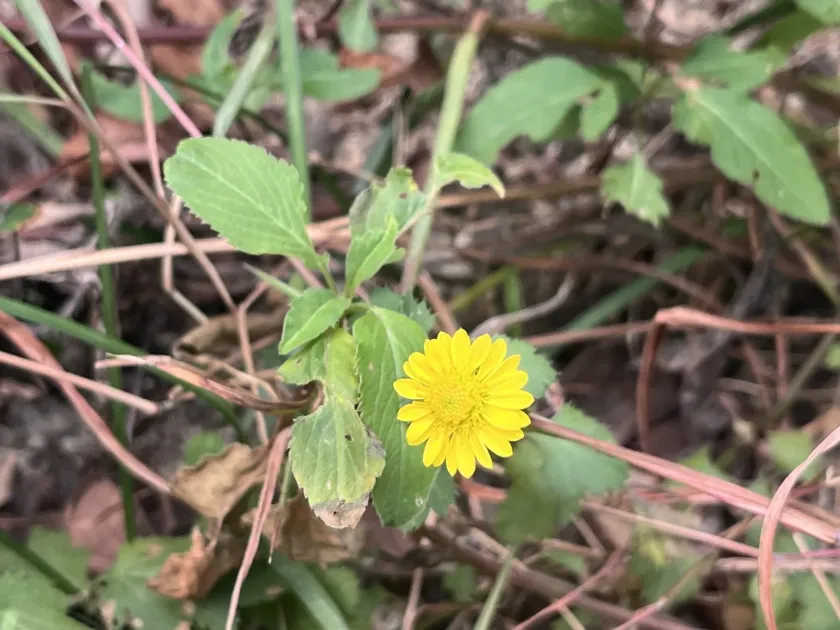
Description
Sowing dates
Indian chrysanthemum (Chrysanthemum indicum) is a herbaceous perennial plant belonging to the Asteraceae family. It is widely cultivated globally for both ornamental purposes and its historical significance in traditional practices.
Propagation is most effective through stem cuttings, which are taken from healthy mother plants in spring. This ensures that the desired genetic traits are maintained and results in uniform growth across the planting beds.
Seed sowing is generally carried out in controlled environments, such as greenhouses, during late winter. Using a light, well-draining seed-starting mix is crucial for healthy germination and root development.
When the plants have developed a strong root system, they are transplanted into the field. Proper spacing is essential to allow for adequate airflow, which is a major factor in preventing disease outbreaks.
To achieve a high-quality bush shape, growers perform topping operations early in the growth stage. This encourages the plant to produce more lateral shoots, resulting in a more abundant bloom.
Growing requirements
Indian chrysanthemums thrive in full sun conditions. Providing at least 6 to 8 hours of direct light daily is necessary to ensure vigorous growth and vibrant floral displays.
The soil should be fertile, loose, and well-drained. Before planting, it is recommended to amend the soil with organic compost to improve structure and nutrient availability for the growing season.
Watering requirements vary based on the stage of development. While consistent moisture is needed during active growth, it is vital to avoid waterlogging the roots, which leads to immediate decline.
Nutrient management involves applying a balanced fertilizer during the vegetative stage. As buds begin to form, shifting to a potassium-rich fertilizer will enhance the quality and longevity of the flowers.
Temperature management is key; the plant prefers moderate temperatures. In regions with harsh winters, providing adequate mulch or protective covering is necessary to protect the root crown from frost.
Main diseases and pests
Pests such as aphids and spider mites are common threats that can stunt growth and damage foliage. Regular monitoring and the application of appropriate pesticides are recommended to keep populations low.
Powdery mildew and various forms of root rot are the primary fungal issues. These are often triggered by high humidity and lack of air circulation around the plants.
Viruses represent a significant challenge as they can cause permanent distortion of the leaves and flowers. Since there is no cure for viral infections, infected plants must be removed immediately.
Sanitation practices, including the removal of debris and weed control, significantly reduce the pressure from pathogens. Keeping the growing area clean is a fundamental strategy for any chrysanthemum grower.
Rotating the planting site every few years is essential to prevent the buildup of soil-borne pathogens and pests. This practice ensures that the soil remains healthy for long-term production.