
Indian chrysanthemum
Chrysanthellum indicum
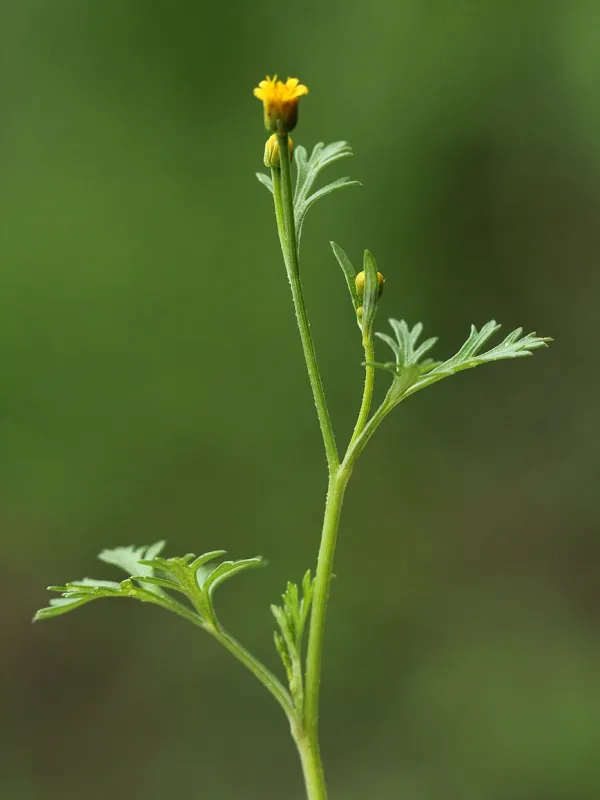
Description
Sowing dates
The Indian chrysanthemum is an annual herbaceous plant belonging to the Asteraceae family. In temperate climates, seeds are sown in the spring once the soil temperature consistently reaches 15-18 degrees Celsius.
This crop requires significant light for germination, so seeds should be sown shallowly, barely covering them with a thin layer of soil. Proper seed-to-soil contact is essential for uniform emergence in the field.
Commercial cultivation typically involves row seeding with a spacing of approximately 40 centimeters between rows. This ensures adequate space for plant development and facilitates the use of light machinery for weed control.
The growth cycle from seedling emergence to the onset of the flowering stage lasts between 60 and 80 days. Maintaining optimal plant density is crucial to prevent competition for light and nutrients among seedlings.
Young plants are sensitive to low temperatures, and all danger of frost must pass before field sowing. In warmer regions, direct seeding can begin as early as April to take advantage of the growing season.
Growing requirements
Indian chrysanthemum thrives in well-drained sandy or loamy soils with a neutral pH level. Poor drainage significantly increases the risk of root rot, which can destroy the crop during the early development stages.
The plant requires full sun exposure to maximize the synthesis of medicinal compounds. Shade or low-light conditions typically result in reduced growth rates and lower concentrations of active secondary metabolites.
Optimal temperatures for active vegetation range from 20 to 25 degrees Celsius. While the species demonstrates moderate drought tolerance, consistent moisture availability is necessary to achieve high biomass yields.
Soil fertility is best managed through the incorporation of organic matter before planting. Excessive nitrogen fertilization should be avoided, as it encourages excessive vegetative growth at the expense of flowering quality.
Regular cultivation of the soil between rows is essential for aeration and weed suppression. Maintaining a clean field environment is necessary for the healthy development of this high-value botanical crop.
Main diseases and pests
The primary pests affecting Indian chrysanthemum include aphids and spider mites, which typically thrive during dry and warm periods. Monitoring the underside of leaves is recommended for early detection of these insects.
Fungal diseases, particularly root rots, are significant threats during prolonged periods of high humidity or poor soil drainage. Implementing proper crop rotation strategies is the most effective way to prevent these issues.
Powdery mildew can occasionally affect foliage if plants are grown in crowded conditions with poor air circulation. Thinning out the plants and ensuring good spacing are effective preventative measures for this disease.
Soil-borne pests can also damage the root system of young plants. If infestations are significant, the use of targeted biological controls is advised, as they maintain the quality of the raw botanical product.
Effective management includes the removal of weeds that act as alternative hosts for pests and pathogens. Keeping the agricultural site free of such weeds is a foundational aspect of integrated disease management.
Harvesting
Harvesting should occur during the full flowering phase when the concentration of bioactive flavonoids is at its peak. This timing is critical for maximizing the economic and medicinal value of the crop.
Plants are cut during dry weather to ensure that the moisture content is low, which significantly improves the quality of the final dried product and prevents early spoilage or degradation.
After harvesting, the biomass must be transported quickly to drying facilities. Drying is best performed at temperatures not exceeding 40 degrees Celsius to preserve the integrity of the heat-sensitive compounds.
Once dried, the raw material is sorted to remove debris and foreign matter. The final product should display a uniform color and retain the characteristic aromatic profile of the species.
Proper storage involves keeping the processed material in dry, cool, and dark conditions within airtight containers. This ensures the longevity of the active medicinal components for up to two years.