
Choerospondias axillaris
Choerospondias axillaris (Roxb.) B. L. Burtt & A. W. Hill
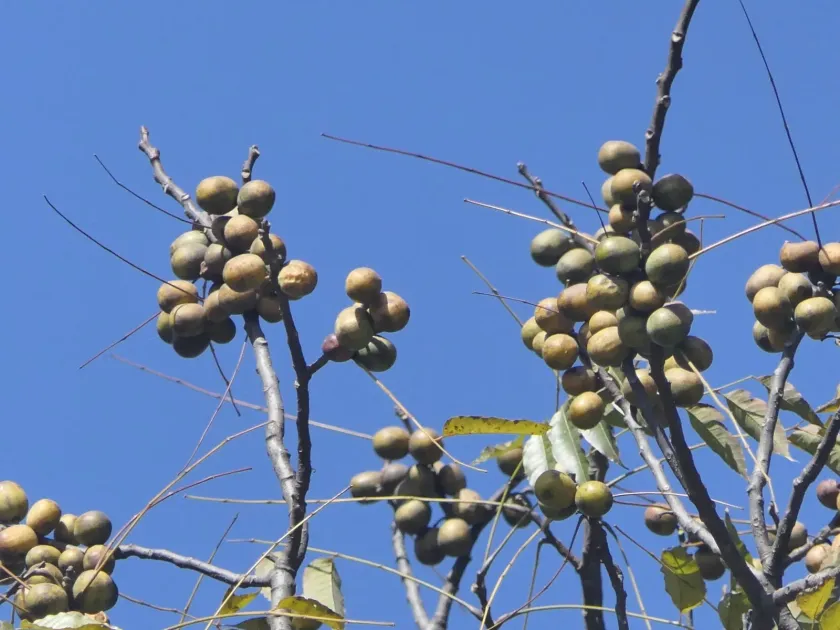
Description
Sowing dates
Propagation of Choerospondias axillaris is primarily achieved through seeds or vegetative methods, such as grafting, to maintain superior fruit quality.
Seeds are often subjected to scarification or stratification to overcome dormancy and improve germination rates when sown in nursery beds.
The optimal time for sowing is during the early spring when soil temperatures allow for rapid root development and sprout emergence.
When using vegetative propagation, scions are selected from high-yielding, healthy mother trees to ensure consistent productivity in the new orchard.
Young seedlings require attentive care, including partial shade and consistent moisture, until they reach sufficient size for transplanting into the field.
Growing requirements
Choerospondias axillaris, a member of the Anacardiaceae family, is a deciduous tree native to subtropical and tropical regions of Asia.
It thrives in well-drained, fertile loamy soils and prefers areas where rainfall is distributed throughout the growing season, though it is fairly drought-tolerant.
The species grows successfully at altitudes ranging from 300 to 2000 meters, showing strong adaptation to varying slope aspects in mountainous terrain.
Sunlight exposure is crucial for the development of a healthy canopy, which in turn influences the photosynthetic efficiency and total fruit yield.
Although it can withstand mild fluctuations in temperature, protecting young saplings from frost is essential for ensuring long-term tree health.
Yield
The fruit of this tree, often known as Lapsi, is highly valued for its sour-sweet flavor and high vitamin C content, serving as a staple in local diets.
Mature trees are capable of producing substantial harvests, making them an excellent choice for agroforestry projects and commercial fruit farming.
Processing methods for the fruit include drying, pickling, and producing jams or juices, which creates value-added products for local and export markets.
The wood is also commercially viable, used in construction and furniture making, providing additional economic benefits to the cultivators.
Sustainable harvesting techniques ensure the tree remains productive over many years, contributing to the long-term viability of the plantation.
Main diseases and pests
Fungal pathogens represent the most significant threat to Choerospondias axillaris, particularly when humidity levels remain high for extended periods.
Insect pests, including defoliators and borers, can impact the vigor of the tree, requiring integrated pest management strategies to minimize damage.
Poor soil drainage leading to waterlogging is a major cause of root rot, which can quickly lead to the decline of productive, otherwise healthy trees.
Regular sanitation, such as removing dead branches and clearing debris from the orchard floor, is vital to prevent the spread of diseases.
Monitoring the orchard for early signs of infection is recommended to apply targeted, environmentally friendly treatments before an outbreak occurs.
Harvesting
Fruit harvesting is conducted manually as the drupes reach physiological maturity, typically indicated by a color shift to yellow or orange.
Care must be taken during the harvesting process to avoid bruising the skin, which can lead to premature spoilage and lower market value.
Post-harvest handling involves keeping the fruit in cool, ventilated conditions to maintain freshness and prevent fermentation before processing.
The timing of the harvest is critical to capture the optimal balance of sugar and acidity, which defines the final quality of the Lapsi products.
Efficient logistics from the orchard to the processing facility are necessary to ensure that the perishable harvest reaches its destination in good condition.