
Chloothamnus elatus
Chloothamnus elatus
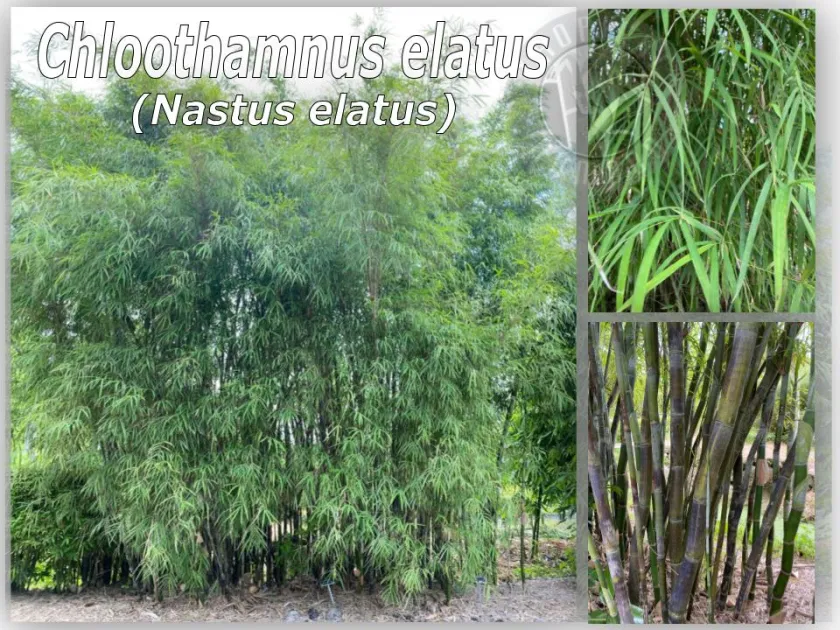
Description
Growing requirements
Chloothamnus elatus is a robust species of woody bamboo belonging to the Poaceae family. This perennial grass forms extensive culm clusters that, under favorable environmental conditions, can reach significant heights, making it a valuable resource for biomass production.
The natural habitat of this species is located in tropical regions with high humidity levels. It has evolved to thrive in warm climates that lack severe frost, which is a decisive factor for successful plantation establishment and long-term vitality.
Cultivation requires well-drained, fertile loamy soils that provide sufficient aeration to the rhizome system. While the plant requires consistent moisture, excessive waterlogging must be avoided, as it can lead to root rot and other physiological stressors.
The optimal temperature range for growth is between 20 and 30 degrees Celsius. The crop is highly sensitive to light availability; therefore, choosing sites with high solar exposure is critical for maximizing biomass density during the active vegetative season.
Management practices for Chloothamnus elatus include precise fertilization programs, focusing on nitrogen application during the peak growth phase. Maintaining proper plant density is also essential to ensure that individual clusters have enough space to develop strong, high-quality culms.
Main diseases and pests
The main phytopathological threats to Chloothamnus elatus include fungal infections that target culms when humidity is poorly managed. Prevention involves maintaining optimal aeration within the plantation and avoiding overcrowded clusters.
Various insect pests, particularly those that bore into young shoots, can significantly damage the quality of the harvested wood. Integrated Pest Management (IPM) strategies, including pheromone traps and biological controls, are recommended for large-scale production.
Nutrient deficiencies frequently lead to chlorosis and stunted growth, leaving the plants vulnerable to secondary infections. Regular soil testing and nutrient monitoring are essential to keep the crop healthy and resilient against environmental stresses.
The spread of plant viruses can be mitigated by ensuring strict hygiene practices during maintenance and harvest. Cleaning equipment between different sections of the plantation helps prevent the cross-contamination of pathogens among healthy specimens.
- Regular sanitary thinning of infected or damaged culms to maintain plantation health.
- Installation of monitoring systems to detect pest pressure at early stages.
- Application of specialized fertilizers based on precise periodic soil analysis.
Harvesting
The primary economic use of Chloothamnus elatus is the harvesting of culms for construction, furniture production, and various industrial applications. The structural integrity and durability of the wood make it a high-value material in the agricultural market.
Harvesting timing is dictated by the physiological maturation of the culms. It is crucial to perform cutting during the dormancy period to ensure that the material has reached the necessary density and lignification required for industrial usage.
After harvesting, the bamboo must undergo drying and primary processing to prevent warping or fungal infestations. Controlled drying conditions significantly extend the lifespan and aesthetic quality of the finished product, enhancing its market value.
Processing residues are often repurposed for fiber production or organic soil enrichment. This integrative approach to plantation management promotes sustainable agricultural practices while ensuring the long-term productivity of the bamboo stands.
To maintain sustainable yields, it is vital to follow a strict rotation schedule for culm extraction. Proper harvesting allows for the regeneration of younger shoots, keeping the plantation healthy and productive over multiple harvesting cycles.