
White ramie
Boehmeria nivea (L.) Gaudich.
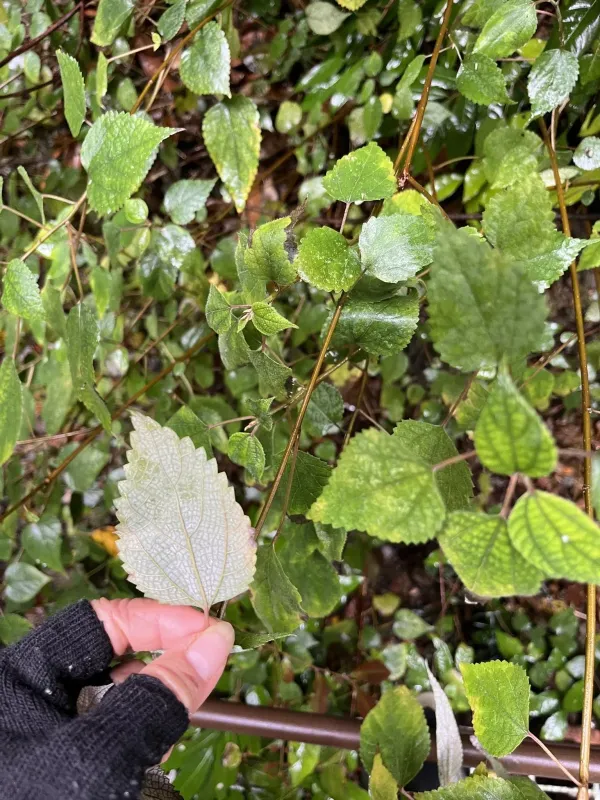
Description
Sowing dates
White ramie is a perennial crop, which is typically established through vegetative propagation, such as rhizome division or stem cuttings. Seed propagation is rarely used due to the complexity and length of the process, requiring specialized nursery care.
The optimal time for planting is the start of the growing season when the soil is sufficiently warm. In tropical climates, planting can occur year-round, although periods following the onset of rainy seasons are preferred to ensure better establishment.
Planting density depends on soil fertility and end-use goals. A spacing that allows plants to close their canopy quickly is preferred, as this helps suppress weeds and encourages the growth of straight, branch-free stems.
As a member of the Urticaceae family, ramie requires thorough soil preparation. Deep tillage and the incorporation of organic matter are essential to provide the root system with a strong foundation for rapid development.
Once established, a plantation can remain productive for 10 to 20 years, provided that nutrient management is addressed and inter-row cultivation is performed regularly during the early years.
Growing requirements
This crop is highly demanding regarding air and soil moisture, making it best suited for warm, humid climates. It does not tolerate prolonged drought or waterlogging, necessitating well-drained soil conditions.
Light, loam, or alluvial soils rich in humus with a neutral to slightly acidic pH are ideal. Swampy or severely compacted soils are unsuitable for the commercial production of this fiber crop.
Optimal growth occurs at temperatures between 20 and 30 degrees Celsius. The crop is very sensitive to frost, which can severely damage the above-ground biomass and inhibit stem regeneration.
Providing protection from strong winds is crucial for high-quality fiber production. Planting windbreaks around fields is a standard practice in areas prone to storms to prevent stem breakage.
Nitrogen requirements are high due to the rapid accumulation of vegetative mass. Regular monitoring of nutrient levels and soil acidity is necessary to maintain an optimal balance for vigorous growth.
Yield
The yield of dried white ramie fiber depends on management intensity and plantation age. On average, one hectare can produce between 1 and 2 tons of high-quality, processed fiber under ideal conditions.
The number of harvests per year varies by climatic zone. In tropical or subtropical environments, it is possible to achieve 3 to 4 full harvests per season, which contributes to the crop's high potential productivity.
Fiber quality is determined by the maturity of the stems. Early harvesting results in lower strength, while over-maturation makes decortication more difficult and reduces the elasticity and brightness of the final product.
Efficient primary processing (decortication) after cutting is critical. Immediate separation of the bark from the woody core prevents oxidation and degradation of the pectin and resin content.
Mechanization of the harvest process significantly increases profitability. The use of specialized harvesters reduces raw material loss and minimizes the reliance on intensive manual labor, which is a major cost factor.
Main diseases and pests
Ramie is prone to various pests, particularly lepidopteran larvae, which can rapidly defoliate large areas and damage the plant's apical growth points, significantly stunting development.
Root rot poses a major threat to plantation longevity, occurring most frequently in poorly aerated or waterlogged soils. Bacterial infections can spread rapidly through damaged tissues following improper harvest techniques.
Leaf spot diseases, caused by fungal pathogens, thrive in humid conditions and dense plantings. These diseases lead to premature leaf drop and a decrease in the overall vigor of the crop.
Integrated pest management strategies, including the use of pheromone traps and the promotion of beneficial insect habitats around field margins, are essential for effective control.
Proactive measures, such as maintaining proper irrigation schedules and ensuring the complete removal of crop residues after harvest, are vital to prevent the buildup of pathogens in the soil.
Harvesting
Harvesting begins when the base of the stems starts to show a brown discoloration, signaling the accumulation of maximum fiber content and desired structural quality.
Cutting should be performed as close to the soil surface as possible to encourage uniform regrowth of shoots for the subsequent cycle. Sharp, high-quality blades are necessary to avoid damaging the root system.
Decortication is conducted immediately after cutting while the stems are still moist. This early separation simplifies the extraction process and ensures the high-quality properties of the fiber are preserved.
The extracted fiber undergoes washing and degumming to remove lignin and pectins. This results in a soft, silky, and exceptionally strong textile raw material favored for its durability.
Fiber drying should take place in the shade with adequate ventilation. Exposure to direct sunlight can degrade fiber strength and negatively impact its natural color, which is a key market quality indicator.