
Giant goosefoot
Chenopodium giganteum
Description
Sowing dates
Sowing of giant goosefoot (Chenopodium giganteum) is best performed in the spring once the soil has warmed sufficiently. Aim for late April or early May to ensure stable growth and avoid late frost damage.
Seeds are small and should be sown at a depth of 1–2 centimeters. Proper seed-to-soil contact is essential, so lightly firming the surface after sowing can improve the germination rate.
For field cultivation, maintain a row spacing of 45–60 centimeters. This provides enough space for the plants to develop their signature architectural height and foliage mass, preventing competition for nutrients.
If you prefer to start indoors, sow seeds in trays about 4 weeks before the last frost date. Transplanting should be done carefully to avoid disturbing the sensitive taproot system of the young plants.
Thinning the seedlings is necessary if direct sowing results in overcrowding. Aim for an intra-row spacing of at least 30 centimeters to allow each plant to reach its full vegetative potential.
Growing requirements
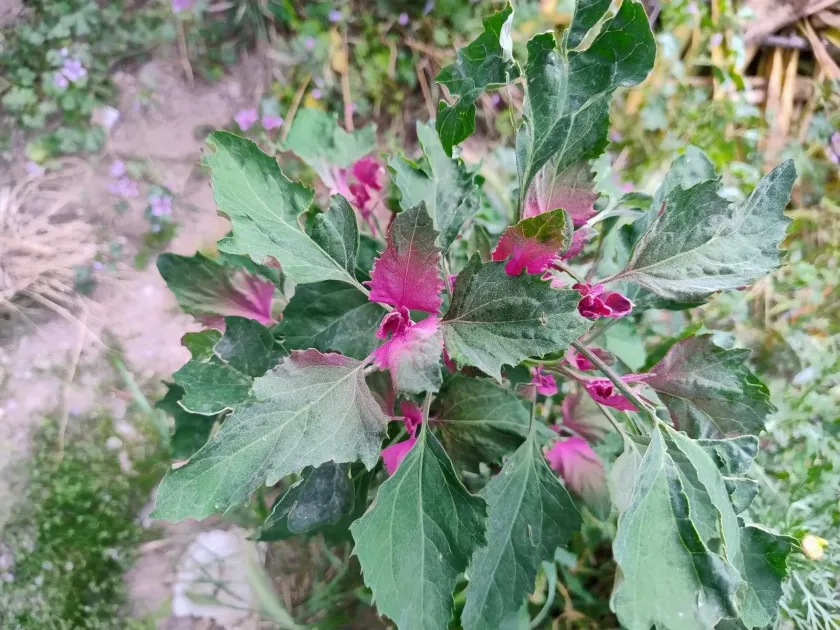
Giant goosefoot is a member of the Amaranthaceae family and thrives in full sun. While it can tolerate partial shade, the vivid purple color of its leaves is most intense when exposed to direct sunlight.
The plant performs best in fertile, well-draining soils with a neutral to slightly acidic pH. Incorporating organic matter, such as well-rotted compost, into the soil prior to planting significantly boosts leaf size.
Although it is relatively hardy, consistent moisture during the early growth stages is crucial. Once established, the plant shows good resilience, but regular watering is recommended for maximum leaf production.
Regular cultivation between rows is important to suppress weed growth. Giant goosefoot is not an aggressive competitor against vigorous weeds, so early weed management is a key factor in success.
The plant prefers moderate temperatures between 18–25 degrees Celsius. It is adaptable to various environments, provided that the soil does not remain waterlogged for extended periods during the growing season.
Yield
The primary yield from giant goosefoot is its lush, edible foliage. Under optimal conditions, the biomass production can be quite impressive, making it a viable crop for local market garden production.
Repeated harvesting of young leaves encourages the plant to produce more shoots, extending the harvest season and increasing the total yield per plant throughout the summer months.
Seed production is another aspect of yield. One mature plant can produce thousands of seeds; if harvested carefully, this provides a secondary source of income or a supply for the next season.
The uniformity of the crop depends on soil fertility and consistent moisture. High-yield management practices, including balanced fertilization, can lead to larger leaves that are more desirable for fresh sales.
As the plant grows, it can reach heights exceeding 2 meters. This significant vegetative structure provides a high return on investment in terms of edible material per square meter of cultivated land.
Main diseases and pests
Aphids are the most common pest found on giant goosefoot. They typically congregate on the underside of young leaves and near the growing tips, causing distortion and potentially spreading viruses.
Powdery mildew may occur, especially in humid or poorly ventilated conditions. This fungal disease appears as white patches on leaves, which can reduce the quality of the harvested product.
Integrated pest management, including regular inspection and the use of insecticidal soaps or neem oil, is effective for maintaining plant health while keeping the leaves safe for consumption.
Root rot can be a threat if the planting site has poor drainage. Ensuring the soil is light and airy prevents the roots from staying in stagnant water, which is the primary cause of this issue.
Maintaining a clean growing area by removing volunteer weeds of the same family can prevent the buildup of pathogens and pests, ensuring a healthier crop cycle year after year.
Harvesting
Harvesting for fresh greens is best done when the plants are young and the leaves are tender. Pinching off the top leaves encourages branching and a more bushy habit, which increases future yields.
For seed collection, wait until the flower clusters turn brown and dry. The seeds should be easily dislodged; timing is crucial to avoid losing the harvest to natural seed dispersal or birds.
Morning harvesting is ideal as the plant is well-hydrated and the leaves will remain fresh longer. Avoid harvesting during the heat of the day to prevent rapid wilting after picking.
Once harvested, greens should be kept in a cool, shaded place or refrigerated to maintain their nutritional content and vibrant color. They are best used within 24–48 hours for top quality.
If saving seeds, ensure they are thoroughly dried on a screen or cloth away from direct sunlight. Once dry, store them in airtight containers in a cool, dark location to ensure viability for up to five years.