
Cheiranthera linearis
Cheiranthera linearis
Description
Growing requirements
Cheiranthera linearis is a botanical species belonging to the Pittosporaceae family. Native to Australia, this plant is primarily found in arid woodlands and shrublands, thriving in nutrient-poor sandy soils.
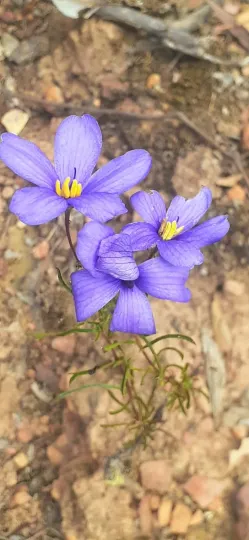
Botanically, it is recognized as a small shrub characterized by its linear, grass-like leaves and vibrant, deep blue or purple flowers. The flowers are arranged in clusters, providing a significant aesthetic appeal during the blooming season.
Successful cultivation requires soil with excellent drainage properties. Because it is naturally adapted to poor soils, it does not tolerate nutrient-rich or waterlogged growing media, which can lead to rapid root decay.
The plant requires a climate that mimics its natural habitat, favoring sunny locations with plenty of light. While it is somewhat drought-tolerant once established, it requires consistent care during the early stages of growth.
In terms of usage, Cheiranthera linearis is primarily utilized in ornamental horticulture. It is favored by specialists for rock gardens, native garden themes, and container growing in climate zones that permit such cultivation.
Main diseases and pests
The most significant threat to Cheiranthera linearis is root rot induced by excessive moisture. Proper irrigation management is vital to ensure the longevity of the plant in a garden environment.
Pest issues include typical garden insects such as aphids or scale insects. These pests can weaken the plant by feeding on the sap of young stems, particularly when the plant is stressed by environmental factors.
Fungal infections, including powdery mildew, can occur if the plant is kept in an area with poor air circulation or high humidity levels. Maintaining space between plants is essential for prevention.
Nutrient toxicity is a significant risk for this species. Being a native Australian plant, it is highly sensitive to standard commercial fertilizers that contain high concentrations of phosphorus.
To maintain plant health, it is recommended to focus on creating an environment that mimics the dry, well-aerated conditions of its origin rather than relying on chemical intervention.