
Chaptalia nutans
Chaptalia nutans (L.) Pol.
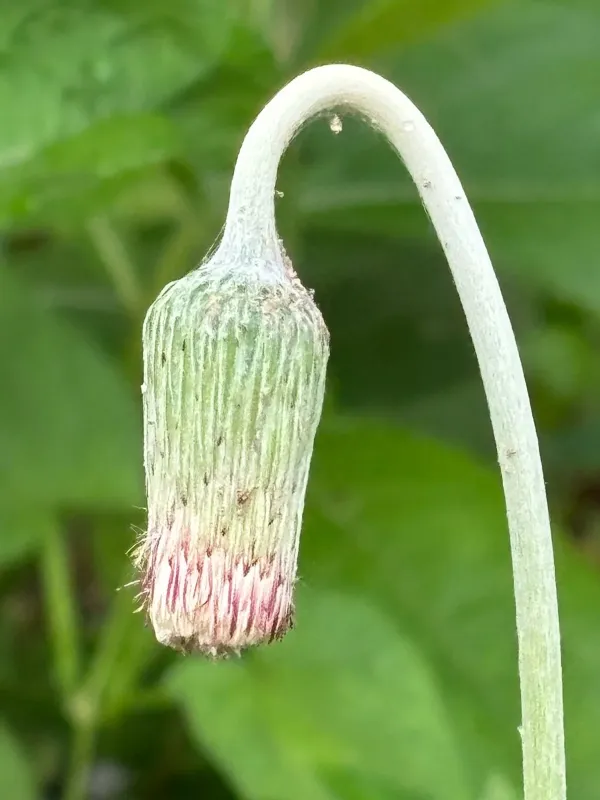
Description
Sowing dates
Chaptalia nutans is typically propagated by seeds, which require specific conditions to break dormancy and ensure successful germination.
The seeds should be sown in early spring, using a well-draining, lightweight potting mix to facilitate early root development.
Consistent moisture is crucial during the germination phase; however, it is essential to avoid waterlogging the growing medium.
Seeds are small and should be sown near the surface, as light exposure can be beneficial for the initial stages of sprout emergence.
In natural habitats, propagation occurs through self-seeding, supported by the plant's structural adaptations for effective wind dispersal.
Growing requirements
Belonging to the Asteraceae family, Chaptalia nutans is native to tropical and subtropical regions across the Americas.
The plant thrives in fertile, well-draining soils with a neutral pH level, reflecting its natural preference for forest margins.
While the plant prefers bright, indirect sunlight, it is capable of adapting to partial shade conditions often found in tropical undergrowth.
Temperature requirements are consistent with tropical climates, ideally ranging from 20 to 28 degrees Celsius for vigorous growth.
Proper aeration is vital for the health of the plant's root system, especially in regions with high seasonal humidity levels.
Main diseases and pests
The primary threats to this plant include fungal infections like powdery mildew, which thrive in stagnant, humid environments.
Pests such as aphids and spider mites frequently target the plant, potentially causing significant leaf damage if left unmanaged.
Root rot is a major physiological challenge, often resulting from improper watering practices or lack of adequate soil drainage.
Integrated pest management, including the use of neem oil or insecticidal soaps, is recommended for maintaining plant health.
Preventive measures include spacing plants appropriately to allow for sufficient airflow and monitoring for early signs of infection.
Harvesting
Harvesting for medicinal purposes focuses on the aerial parts of the plant, specifically leaves and flowers collected at their peak.
The optimal time for harvest is during the active flowering season, which ensures the highest concentration of phytochemicals.
Care must be taken to harvest selectively, ensuring that enough vegetative material remains to support the plant's long-term health.
Drying should be performed in a cool, shaded, and airy location to prevent the degradation of heat-sensitive active compounds.
Once dried, the raw material should be stored in opaque, airtight containers to protect it from moisture and light for future utilization.