
Champereia manillana
Champereia manillana
Description
Sowing dates
Champereia manillana is a perennial woody plant typically propagated through nursery-raised seedlings or cuttings. The most suitable time for planting is the beginning of the rainy season, which ensures sufficient moisture for the root system to establish successfully in the new environment.
For seed propagation, it is essential to use fresh seeds as their viability decreases rapidly over time. Soaking the seeds in warm water for 24 hours can significantly improve germination rates and speed up the emergence of seedlings in a controlled greenhouse environment.
When transplanting into the field, maintaining a spacing of 2 to 3 meters is recommended to allow for adequate canopy development. Proper spacing ensures that each plant receives sufficient airflow and sunlight, which are vital for healthy biomass production.
Young plants require partial shading during their first year of growth to protect them from intense heat and direct sunlight. Mulching the base of the plant with organic matter helps retain soil moisture and suppresses weeds, creating a favorable microclimate for development.
Fertilization programs should commence only after the plants have fully acclimatized. Applying balanced, organic-based fertilizers helps promote lush vegetative growth while maintaining the overall health and vigor of the shrubs throughout their lifespan.
Growing requirements
As a member of the Opiliaceae family, this crop thrives in tropical climates with consistent temperatures between 22 and 30 degrees Celsius. It is highly sensitive to frost and cold drafts, which makes it unsuitable for cultivation in temperate regions without protection.
The plant prefers fertile, well-draining loam soils with a neutral pH. Waterlogging must be avoided at all costs, as poor drainage is the primary cause of root rot, which can destroy the entire plantation if not managed through proper site preparation.
Champereia manillana performs best in sunny locations but also tolerates light shade, especially in areas with very high temperatures. Providing some shade during the hottest part of the day can improve leaf texture and increase the quality of the edible yield.
Consistent soil moisture is essential for maximum productivity. Drip irrigation systems are highly recommended to keep the root zone damp but not saturated, which helps to optimize the uptake of nutrients and prevents the plant from experiencing stress during dry spells.
Incorporate generous amounts of compost or well-rotted manure during the initial planting phase to build soil fertility. Periodic top-dressing with organic material supports the continuous growth of leafy greens and prevents the exhaustion of soil nutrients over time.
Yield
The primary agricultural interest in this species lies in its young leaves and tender shoots, which are highly valued for culinary purposes. Frequent and careful pruning is the key to stimulating lateral growth, thereby significantly increasing the harvestable biomass of the plant.
Under optimal management conditions, adult plants can produce high volumes of edible greens year-round in tropical environments. The yield is determined by the frequency of harvesting and the overall nutrient availability within the soil profile.
Harvesting should be done selectively, removing only the softest terminal growth. This technique not only ensures the supply of premium quality product but also prevents the stems from becoming too woody, which can reduce the overall yield potential over subsequent seasons.
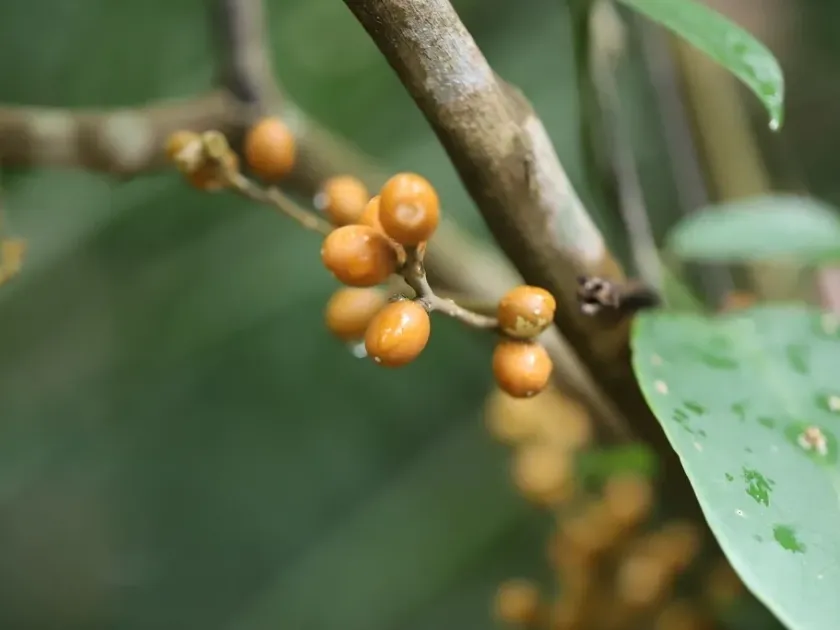
While the plant produces small edible fruits, its commercial value is almost entirely focused on its foliage. By focusing on leaf production, growers can achieve a consistent turnover and supply local markets with fresh, nutritious tropical greens regularly.
Proper age management of the plantation is necessary to maintain high yields. As older branches lose productivity, they should be replaced with young, vigorous stems to ensure that the yield remains high and consistent throughout the life of the cultivation site.
Main diseases and pests
Champereia manillana is generally robust, but high humidity in dense plantings can lead to fungal infections. Powdery mildew and leaf spot diseases are common when ventilation is insufficient, so maintaining proper plant spacing is a critical preventive measure.
Aphids and various leaf-chewing insects are the most frequent pests. These insects can damage the succulent young leaves, reducing their commercial appeal and potentially opening entry points for secondary bacterial or viral pathogens to infect the plant tissue.
Integrated pest management, focusing on biological controls and natural extracts, is preferred over synthetic chemical treatments. This is particularly important for this crop, as the foliage is intended for consumption, requiring strict adherence to food safety standards.
Regular sanitation, including the removal and destruction of diseased foliage, is vital for managing pest populations. Keeping the plantation area free of debris and weeds reduces the habitat for potential pests and helps maintain a healthy growing environment.
Root-knot nematodes can also pose a significant challenge to the root system. Using nematode-free planting stock and practicing crop rotation with non-host species can help mitigate the risks associated with these soil-borne pests in agricultural operations.
Harvesting
The harvesting process for this crop is ongoing, starting about one year after planting once the plant is well-established. It involves the selective removal of tender shoots and leaves, which allows for repeated harvests from the same plant over several years.
Using a sharp, sterilized blade is essential to ensure clean cuts that heal quickly. Always leave enough healthy foliage on the plant to allow it to continue photosynthesizing and regenerating new shoots for future harvest cycles.
Post-harvest handling is critical because the fresh foliage is prone to wilting. The product should be stored in a cool, shaded area or refrigerated immediately after harvest to preserve its color, crispness, and nutrient content during transit to market.
For long-term storage, the leaves can be blanched briefly and then frozen. This preserves the texture and flavor profile, making it a convenient ingredient for soups and stir-fry dishes even when fresh produce is temporarily unavailable from the field.
Monitoring the regrowth rate of the shoots allows growers to plan their harvesting schedules effectively. Frequent, light harvests are generally preferred as they keep the plants in a vegetative state, resulting in a continuous supply of young, high-quality leaves.