
Chameleon plant
Chamaeleon macrocephalus
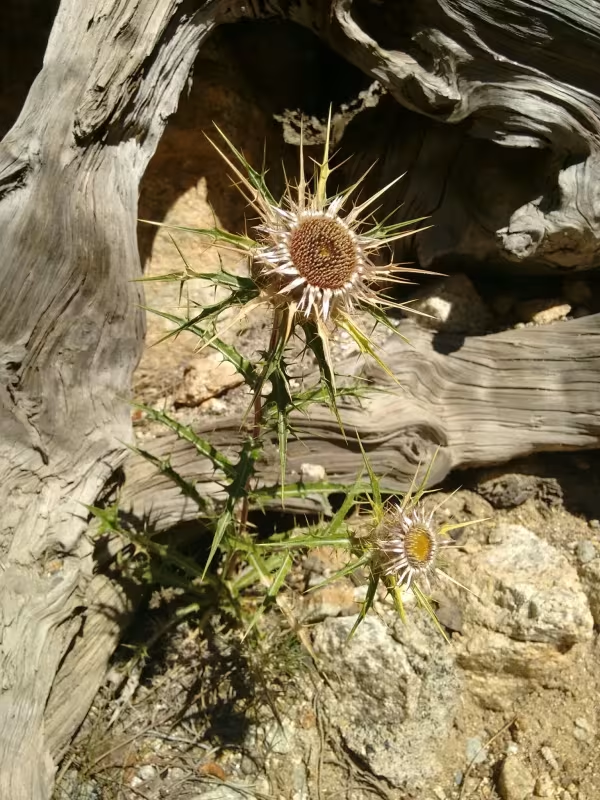
Description
Sowing dates
The sowing schedule for the Chameleon plant is highly dependent on local climatic zones, as the crop is quite sensitive to temperature fluctuations during its early growth stage.
Ideally, planting should commence once soil temperatures reach 12-14 degrees Celsius, ensuring a quick and uniform germination across the field.
In regions with shorter growing seasons, starting seeds in greenhouses or using seedlings is recommended to avoid late spring frost risks.
Proper seed depth placement is crucial, typically around 3-4 centimeters, to provide the necessary support for the emerging sprout structure.
Row spacing should be maintained at about 60 centimeters to allow for efficient mechanical weeding and adequate nutrient access for each plant.
Growing requirements
This crop thrives in sunny, well-ventilated fields that offer protection against strong, damaging winds during the intensive vegetative growth period.
Light, aerated soil with a neutral pH level is considered optimal for the development of a healthy and extensive root system.
Watering strategies must be balanced, focusing on steady moisture delivery while avoiding waterlogging, which the plant is highly susceptible to.
Nutrient requirements are centered on phosphorus and potassium, which are essential for the formation of large flowers and high-quality seeds.
The ideal temperature range is between 20 and 25 degrees Celsius; extreme heat requires mitigation through irrigation or additional shading techniques.
Yield
Under optimal agronomic conditions, the biomass yield of this crop can reach 15-25 centners per hectare, depending on soil enrichment and plant spacing.
Seed production is highly viable for specialized farms, with careful management leading to consistent yields of 8-10 centners per hectare.
Frequent inter-row cultivation is a key practice for maximizing productivity, as it eliminates weed competition and improves soil oxygen levels.
The economic success of the crop relies on selecting high-yield varieties and ensuring that the soil is properly prepared with organic matter before sowing.
Timely maintenance throughout the season is directly linked to the final volume of the harvested output and the quality of the raw material.
Main diseases and pests
Powdery mildew represents the primary threat to this crop, especially in conditions characterized by high humidity and poor air circulation between rows.
Aphid infestations are common and require immediate monitoring, as these pests can significantly stunt plant growth and reduce overall crop quality.
Root rots caused by soil-borne pathogens are a major risk in fields with poor drainage or where proper crop rotation has not been practiced.
Integrated pest management strategies, including the use of preventive fungicides and biological controls, are effective in minimizing total crop loss.
Removing plant debris after the harvest is a critical step in breaking the infection cycle for the next agricultural season.
Harvesting
Harvesting is typically carried out when the plants reach full technical maturity, indicated by the specific color change of the seeds and stems.
Dry and clear weather is essential for harvesting to ensure that the moisture content of the seeds remains low, preventing molding during storage.
Modern mechanical harvesting using standard combines requires precision adjustments to avoid crushing the delicate seeds during the threshing process.
Post-harvest processing involves cleaning the seeds and drying them in well-ventilated facilities until moisture levels are safe for long-term storage.
Correct storage conditions involve cool, dry warehouses with proper ventilation to maintain seed viability for future sowing or commercial distribution.