
Cercestis mirabilis
Cercestis mirabilis
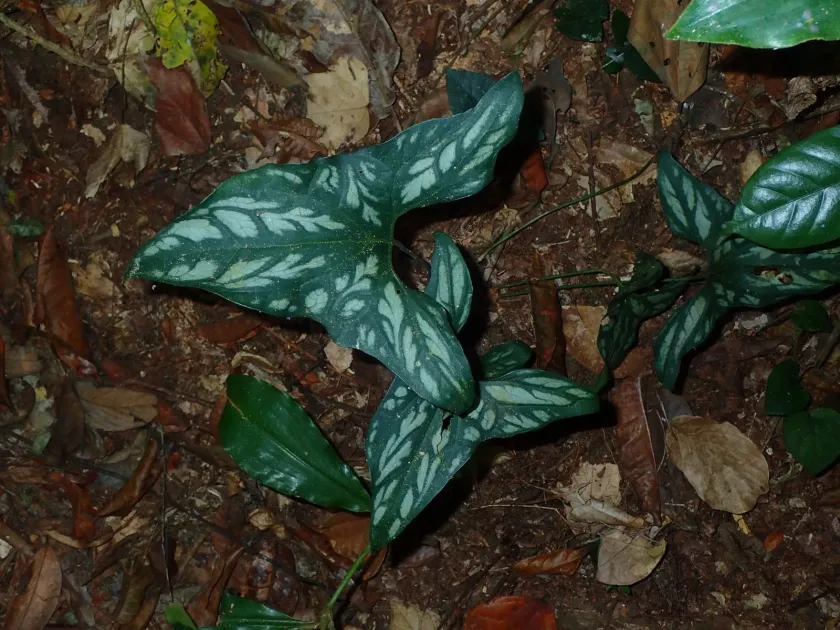
Description
Growing requirements
Cercestis mirabilis is an intriguing member of the Araceae family, native to the tropical rainforests of West Africa, where it thrives in humid understory environments.
Botanically, it is known for its remarkable foliage, which features a distinctive silver or white variegation in a marble-like pattern during its juvenile stage.
The plant requires high ambient humidity, ideally above 60%, and consistent temperatures ranging from 22°C to 28°C for optimal growth rates.
Soil composition should prioritize aeration and moisture retention; a blend of peat moss, pine bark, perlite, and charcoal mimics its natural forest floor habitat.
Cultural practices include consistent moisture without waterlogging, as the root system is sensitive to prolonged saturation and prone to asphyxiation.
Main diseases and pests
Common pests affecting this species include spider mites, particularly in environments with low humidity, which can quickly damage the foliage.
Root rot, often caused by Pythium or Phytophthora fungi, is the most significant pathological threat arising from improper irrigation practices.
Mealybugs can also pose a risk, hiding in the leaf axils and stems, necessitating regular inspection of the entire plant structure.
Effective management requires the application of targeted insecticides and ensuring proper air circulation around the canopy to minimize fungal growth.
Integrated pest management strategies focusing on early detection and maintaining plant vigor remain the best approach for long-term health.