
Cerastium schizopetalum
Cerastium schizopetalum
Description
Sowing dates
Seed propagation is best carried out in early spring, using a light, gritty seed-starting mix. The seeds should be sown shallowly, as they require light for optimal germination, consistent with the requirements of many alpine species.
Stratification of seeds prior to sowing can significantly improve germination rates. Mimicking natural winter conditions by placing seeds in a cold environment for several weeks helps overcome dormancy and ensures more uniform seedling emergence.
Vegetative propagation via stem cuttings is an effective method for cloning desirable specimens. Cuttings are typically taken in mid-summer, after flowering has finished, and are rooted in sand under protective, well-ventilated conditions.
When transplanting seedlings, spacing should be carefully managed, with at least 20 cm between plants. This distance ensures adequate airflow, which is critical for maintaining the health of the dense mats and preventing internal moisture accumulation.
Initial establishment requires regular weeding, as young plants may struggle to compete with more aggressive weed species. Once the Cerastium has formed a dense mat, it typically suppresses weeds effectively on its own.
Growing requirements
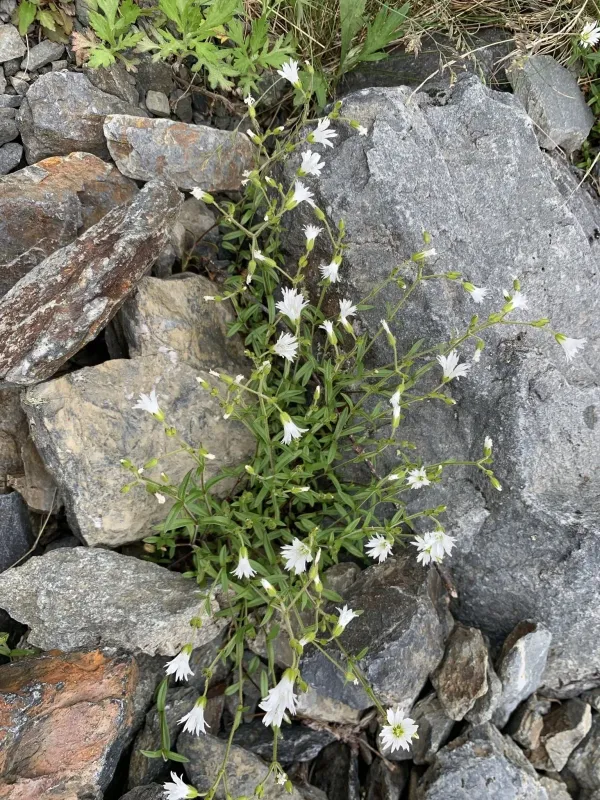
Cerastium schizopetalum is a perennial herbaceous plant belonging to the Caryophyllaceae family. Naturally, it is found in high-altitude rocky environments, which has shaped its unique physiological adaptations for thriving in low-nutrient, well-draining soils.
The plant is distinguished by its silvery, pubescent foliage and striking white flowers with deeply cleft petals. This specific floral morphology gives the plant a delicate, lacy appearance, making it a highly desirable species for specialized alpine horticulture.
Success in cultivating this species requires mimicking its natural habitat. The plant demands excellent drainage, such as sandy or gritty substrates, and cannot tolerate waterlogged soil, which leads to rapid root system decay.
This species is well-adapted to harsh climatic conditions, including high solar radiation and significant temperature fluctuations between day and night. It is highly drought-tolerant once established, owing to its deep and efficient root architecture.
In modern horticulture, Cerastium schizopetalum is primarily used for its aesthetic value in rock gardens, scree slopes, and xeriscaping projects. It is appreciated for its ability to form a compact, silver-grey mat that remains attractive throughout the growing season.
Main diseases and pests
The primary threats to Cerastium schizopetalum are fungal pathogens that thrive in humid or poorly ventilated conditions. Root rot and collar rot are the most frequent issues encountered when drainage is insufficient.
While the plant is naturally resistant to many pests, aphids may occasionally infest the tender new growth during periods of stress. Maintaining the plant's overall vigor through correct placement and soil management is the best defense against such outbreaks.
- Root rot caused by excessive soil moisture.
- Powdery mildew in stagnant, humid air environments.
- Aphids during periods of environmental stress.
- Winter dieback due to poor drainage during freeze-thaw cycles.
Preventative management is essential, focusing on maximizing drainage and airflow around the plants. Regular monitoring of the foliage and root zones during rainy seasons can help catch problems early.
Chemical intervention should be avoided whenever possible, as the species is sensitive to many common fungicides and pesticides. Focusing on optimal site selection and physical maintenance is the most sustainable approach for this culture.