
Centaurea hyalolepis
Centaurea hyalolepis
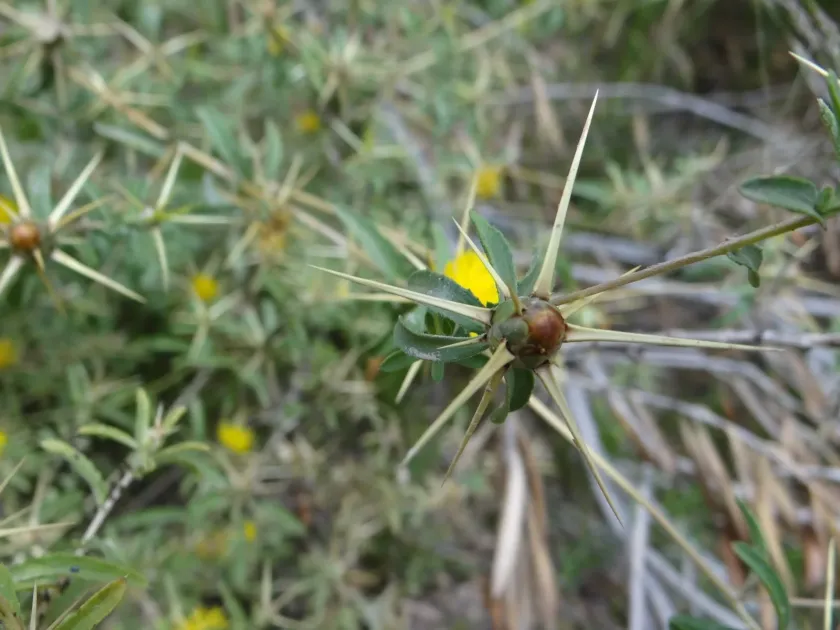
Description
Sowing dates
Centaurea hyalolepis is an annual herbaceous plant belonging to the Asteraceae family. It is recognized for its adaptive capabilities, often thriving in arid environments where other crops struggle to establish.
Sowing should take place in early spring when the soil temperature consistently reaches 10-12 degrees Celsius. Proper seedbed preparation is crucial to ensure optimal seed-to-soil contact for uniform germination.
The recommended sowing depth is approximately 1-2 centimeters. Deeper planting may delay emergence, while shallower planting might expose seeds to drying winds or predation by birds.
Row spacing should be managed to allow for efficient weeding and air circulation. As an opportunistic species, maintaining adequate distance between plants ensures that each individual has access to sunlight.
Initial irrigation after sowing may be necessary if the soil moisture level is low, but established plants require very little water throughout the season.
Growing requirements
This species is highly adaptable to various soil types, preferring well-drained, sunny locations. It exhibits remarkable tolerance to poor soil quality and high salinity, making it a robust pioneer species.
Full solar exposure is a primary requirement for healthy growth. Plants grown in shaded areas tend to exhibit etiolation, resulting in weakened stalks and reduced production of flower heads.
While the plant is drought-tolerant, consistent moisture during the early vegetative stage can lead to a more vigorous biomass. Once the root system is established, the plant becomes highly resistant to drought.
The ideal climate for this culture is Mediterranean-like, with hot, dry summers. It can withstand significant temperature fluctuations without compromising its developmental cycle.
Minimal fertilization is required as the plant is efficient in nutrient uptake. If soil fertility is extremely low, a small amount of balanced fertilizer can be applied during the early growth phase.
Main diseases and pests
Common fungal diseases, including powdery mildew, can affect the leaves under conditions of high humidity or poor airflow. Regular monitoring is essential to prevent significant spread.
Pests such as aphids and various species of lepidopteran larvae may target the plant. Integrated pest management strategies are recommended to maintain plant health without excessive chemical use.
Root rot is the most common issue associated with waterlogged or poorly drained soils. Ensuring the site for cultivation is well-drained is the primary defense against this condition.
Early detection of pest infestation allows for localized control measures, which is more cost-effective and environmentally friendly than broad-spectrum treatment.
Maintaining a clean field perimeter helps prevent the migration of insects from neighboring plots, ensuring that the crop remains healthy throughout the entire production cycle.