
Centaurea beturica
Centaurea beturica
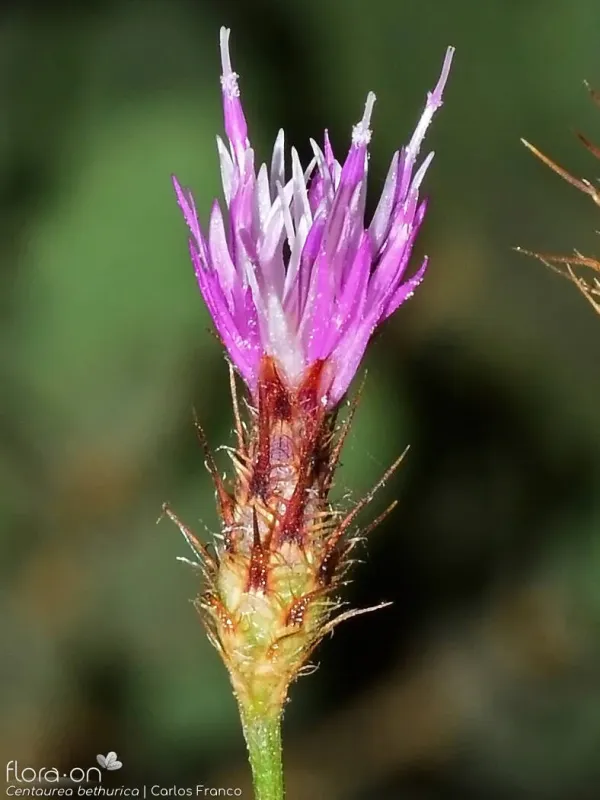
Description
Growing requirements
Centaurea beturica is a herbaceous plant belonging to the Asteraceae family. Known for its resilience in Mediterranean environments, this species is increasingly studied for its agricultural potential in arid and semi-arid regions.
Botanically, the plant features a robust stem and distinct capitulum inflorescences. It is well-adapted to rocky terrains and open fields, where its deep taproot system allows it to reach moisture stored in the deeper soil horizons.
The climate requirements include a preference for long, sunny days and mild temperature regimes. While it can withstand periods of drought, consistent yields are achieved when the plant is exposed to moderate solar radiation throughout its development.
Soil requirements focus on alkalinity and excellent drainage. It thrives in loamy or sandy soils where water does not accumulate at the base, preventing the development of anaerobic conditions that are harmful to the roots.
Regarding agrotechnical practices, spacing is crucial for individual plant health. Planting rows should be arranged to maximize airflow, as this minimizes the risk of humidity-related disorders and optimizes photosynthesis.
Main diseases and pests
The primary threats to Centaurea beturica are fungal diseases that thrive in high humidity conditions. Powdery mildew is the most common pathogen, characterized by white spots on the leaves that hinder proper nutrient uptake.
Pest pressure is mainly driven by aphid infestations. These insects settle in clusters on young shoots, sapping the plant's energy and secreting honeydew, which further attracts secondary fungal growth such as sooty mold.
Beetles and larvae can occasionally cause damage to leaf tissue during the mid-summer peak. Monitoring the crop for bite marks and ensuring a clean field environment are essential steps to maintain the health of the population.
Root health is equally critical; waterlogging during the cooler months can lead to crown rot. Preventive measures, such as ensuring proper soil structure and not over-irrigating, are essential for successful cultivation.
Integrated pest management strategies should be adopted to protect the crop. This involves a combination of mechanical weed control to remove alternate hosts for pests and the judicious use of biological insecticides when necessary.