
Celastrus rosthornianus
Celastrus rosthornianus
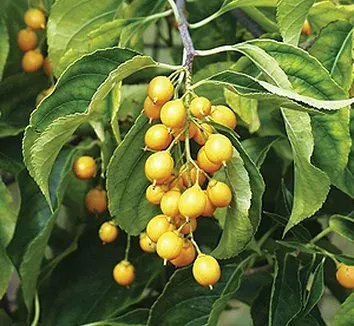
Description
Sowing dates
Propagation of Celastrus rosthornianus is typically performed through seeds or semi-hardwood cuttings. Seeds require a period of cold stratification for several months to break dormancy and ensure consistent germination rates in the spring.
Autumn is the ideal time for direct sowing in outdoor environments. This allows the seeds to undergo the natural cooling cycles necessary for healthy emergence when temperatures rise, mimicking their native mountainous habitat.
Cuttings should be taken during the summer months, specifically in June or July, using vigorous young growth. These cuttings should be planted in a light, well-draining substrate and covered to maintain high humidity for successful rooting.
Given the vigorous growth rate of this vine, it is crucial to provide ample spacing between individual plants during installation. Maintaining a gap of at least two meters ensures that both the roots and the canopy have space to flourish.
Because it is a climbing species, installing reliable structural supports is essential from the outset. Providing a vertical framework encourages proper growth patterns and helps prevent the plant from becoming tangled on the ground.
Growing requirements
Celastrus rosthornianus belongs to the Celastraceae family and is recognized as a hardy, woody vine native to the mountain forests of China. It is well-adapted to varied terrain but prefers sheltered locations away from harsh, drying winds.
The plant thrives in fertile, loamy soils that are rich in organic matter. While it is somewhat adaptable, excellent soil drainage is mandatory to prevent root rot, as the species does not tolerate waterlogged conditions for extended periods.
In terms of light, the plant performs best in full sun to partial shade. While it can survive in deeper shade, exposure to direct sunlight enhances leaf coloration and significantly promotes the production of its decorative fruits.
This species shows good cold tolerance, although young plants may benefit from protective mulching during their first winter. As the plant matures, it develops a robust framework capable of withstanding colder climate fluctuations.
Agrotechnical maintenance includes regular applications of balanced fertilizers during the active growing season. Annual pruning is recommended to remove dead or damaged wood and to maintain a manageable size within the landscape.
Yield
The primary utility of Celastrus rosthornianus is in professional landscape design for vertical screening. Its ability to rapidly cover fences, walls, and pergolas makes it a highly valuable asset for fast-paced greenery projects.
The fruit of this vine consists of small capsules that split open to reveal bright seeds, providing high ornamental value. These fruits persist into late autumn and winter, offering visual interest when most garden plants have entered dormancy.
As a nectar-producing plant, it serves as an important resource for pollinators during its flowering phase. This ecological contribution helps support biodiversity within the garden environment, fostering a healthier overall ecosystem.
The vigorous annual biomass production allows gardeners to create dense living screens quickly. This is particularly useful for achieving privacy or hiding architectural eyesores in large-scale garden developments.
Production of high-quality seedlings in nurseries is a viable commercial endeavor. Due to its aesthetic appeal and structural utility, the plant remains in steady demand for both public park projects and private estate maintenance.
Main diseases and pests
The most significant threats to the health of this vine are fungal pathogens that thrive in stagnant, humid environments. Issues such as leaf spot and powdery mildew are common when air circulation is compromised.
Pests, particularly sap-sucking insects like aphids and scales, can cause considerable stress to the plant. By feeding on the juices of tender new shoots, these pests often cause leaf curling and stunt the overall growth of the vine.
To mitigate these threats, proper plant spacing and thinning are the most effective preventive measures. Ensuring that the foliage can dry quickly after rain significantly reduces the risk of fungal outbreaks.
If an infestation occurs, targeted use of systemic insecticides is recommended to manage the pest population. Early intervention is key to preventing the spread of insects and ensuring the long-term vigor of the climbing plant.
Overall, the species possesses a strong inherent resilience when grown under appropriate conditions. Maintaining soil fertility and proper moisture levels helps the plant remain robust, allowing it to withstand most common horticultural challenges.