
Cavendishia acuminata
Cavendishia acuminata
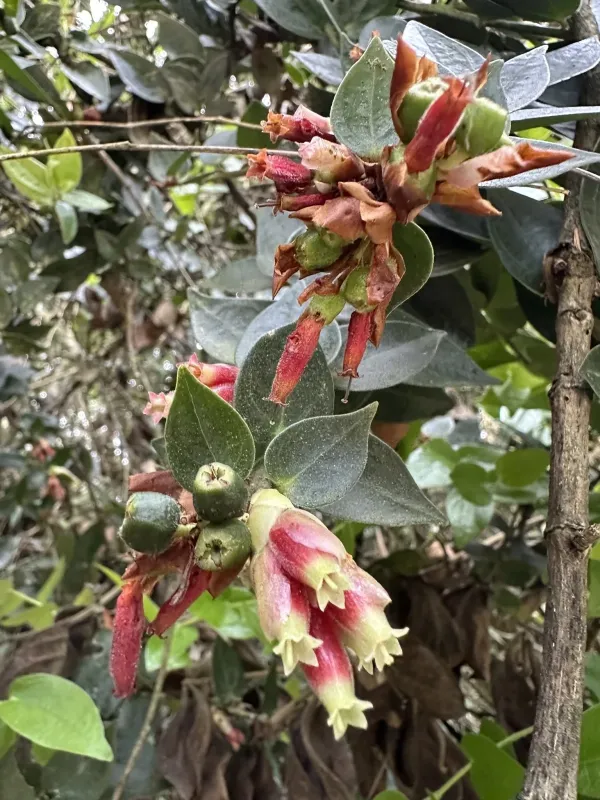
Description
Growing requirements
Cavendishia acuminata is an evergreen shrub belonging to the Ericaceae family, native to the Andean regions of South America. It typically grows as an epiphyte or a terrestrial shrub in cloud forest environments at high altitudes.
The cultivation of this plant requires a highly acidic substrate, typically composed of peat moss, pine bark, and perlite. Maintaining a low pH, ideally between 4.5 and 5.5, is essential for nutrient uptake and the overall health of the root system.
Climate requirements for this species are strict, necessitating high humidity levels to mimic the cloud forest habitat. It thrives in environments where humidity remains consistently above 70 percent throughout the year.
Temperature management is key to successful development. The plant prefers cool to intermediate temperatures, ideally ranging between 15°C and 22°C, avoiding both frost and excessive, stagnant heat.
Light levels should be kept in the partial shade range. Intense, direct sunlight can cause significant damage to the foliage, which is adapted to the filtered light conditions found beneath the forest canopy.
Main diseases and pests
The primary threat to Cavendishia acuminata in artificial environments is root decay caused by poor drainage and waterlogging. Ensuring the medium remains moist but never saturated is vital.
Common pests include spider mites and mealybugs, which thrive in low-humidity environments. Periodic inspection of the plant is recommended to ensure early detection and management.
Fungal pathogens such as Phytophthora can affect the root collar if sanitation protocols for growing pots and tools are not followed strictly.
Nutrient deficiency, particularly iron or magnesium, may occur if the substrate pH drifts into the neutral or alkaline range, leading to characteristic yellowing of the leaves.
Integrated pest management strategies, focusing on biological controls and maintaining proper environmental balance, are preferred over broad-spectrum chemical treatments for this delicate species.