
Caulokaempferia secunda
Caulokaempferia secunda
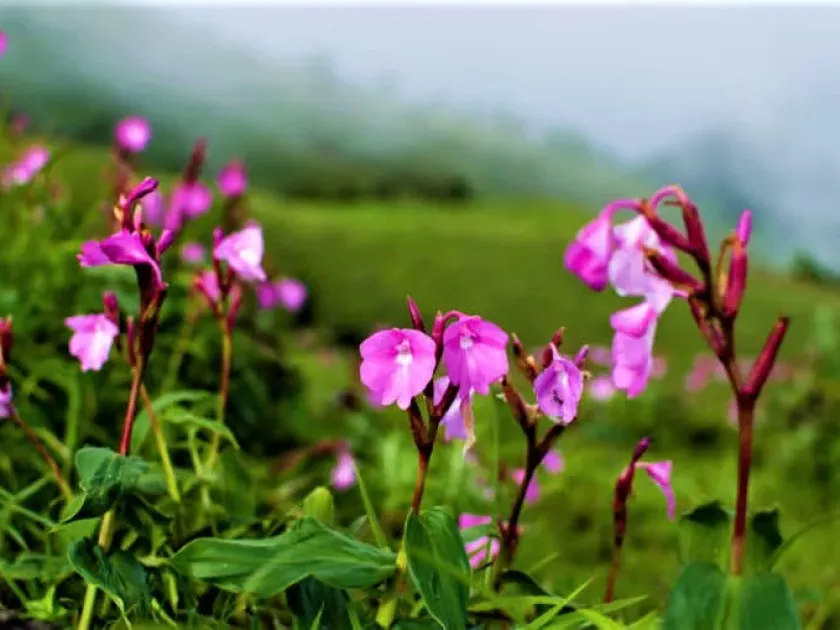
Description
Growing requirements
Caulokaempferia secunda is a perennial herbaceous plant belonging to the ginger family, Zingiberaceae. It is a niche species, primarily found in botanical collections and native to the humid tropical forests of Thailand.
The plant possesses a rhizomatous root system that supports succulent-like leaves. Its botanical structure is adapted to the shady, moist environment of its natural habitat, which is crucial for growers to replicate in cultivation.
Regarding soil requirements, this species thrives in well-aerated, nutrient-rich substrates with a slightly acidic profile. Proper drainage is the most critical factor, as stagnant water is lethal to the rhizomes.
Climate needs are strict: it requires high humidity and a consistent temperature range, typically between 20°C and 28°C. Deviations from these parameters lead to metabolic slowing and potential dormancy.
Lighting should be bright but indirect. In greenhouse or nursery settings, it is advisable to use shade cloths to filter harsh light, ensuring the delicate foliage does not undergo photo-inhibition or scorching.
Main diseases and pests
Root rot, primarily caused by fungal pathogens such as Pythium or Phytophthora, remains the number one threat. These diseases thrive in substrates that remain saturated for extended periods.
Pests like spider mites are common in greenhouses with insufficient ventilation. These microscopic mites cause chlorophyll depletion, appearing as yellow stippling on the leaves, which eventually leads to tissue death.
Mealybugs are another potential nuisance, finding shelter within the leaf axils. They feed on plant sap and can weaken the plant significantly if left unchecked for several weeks.
Fungal leaf spots can develop if water splashes onto the foliage during watering and remains there. It is advised to water at the base of the plant to keep the leaves dry and healthy.
Integrative pest management is recommended for this species. Frequent monitoring and environmental adjustment are far more effective than heavy chemical intervention, which the plant may be sensitive to.