
Catolobus pendulus
Catolobus pendulus
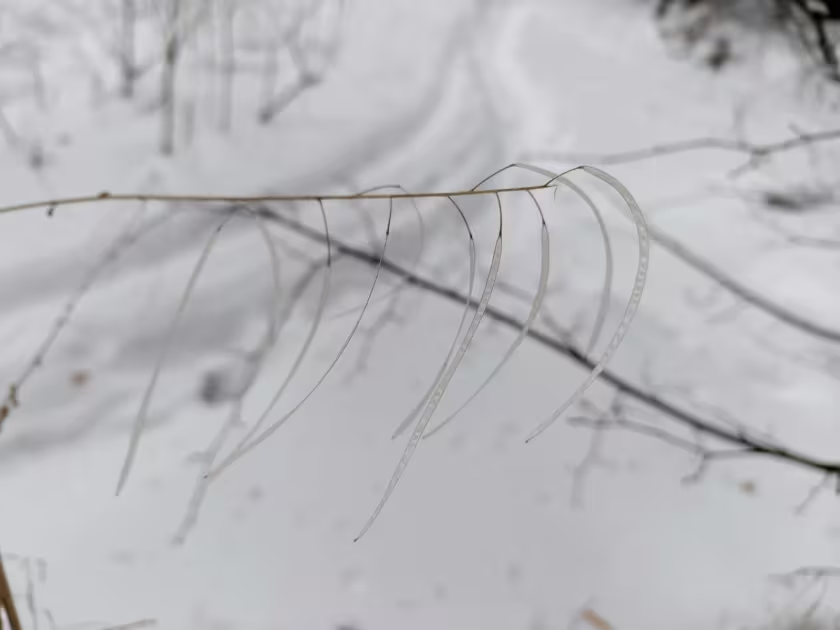
Description
Sowing dates
Catolobus pendulus is a distinct species within the Brassicaceae family, often grown for research or specific medicinal purposes. Successful cultivation begins with the selection of high-quality seeds, which should be sourced from verified populations to ensure genetic purity and high germination rates.
The optimal sowing time is during the early spring or late autumn. Sowing in early spring allows the seedlings to establish a strong root system before the onset of summer heat. If sown in autumn, the seeds undergo natural vernalization, which is beneficial for the development of healthy, vigorous plants in the following year.
Seeds should be planted at a shallow depth of approximately 1 centimeter in well-prepared, friable soil. Given the small size of the seeds, it is crucial to maintain consistent surface moisture until germination occurs. Using a roller after sowing helps improve seed-to-soil contact, leading to more uniform emergence.
Row spacing should be maintained at 30 to 45 centimeters to ensure sufficient air circulation and light penetration. Thinning the seedlings is recommended once they reach the two-leaf stage to prevent overcrowding, which can lead to weakened growth and increased susceptibility to diseases.
Managing weed growth during the early stages of development is essential, as the seedlings of Catolobus pendulus are initially slow-growing and can be easily outcompeted by more aggressive weed species. Manual weeding or light mechanical cultivation is preferred to avoid damaging the developing root system.
Growing requirements
This crop thrives best in well-drained, sunny locations with exposure to direct sunlight for the majority of the day. Avoid low-lying areas where water tends to accumulate, as excessive moisture is the primary cause of root-related complications in this species.
The ideal soil for Catolobus pendulus is sandy loam or loamy soil with a neutral to slightly alkaline pH. Soils with good drainage are paramount, as the species is highly sensitive to waterlogging. Incorporating organic matter during the pre-planting phase can improve soil structure and water-holding capacity without causing drainage issues.
While the plant shows moderate drought tolerance once established, supplemental irrigation during prolonged dry spells is highly recommended to support vegetative growth. Consistent watering during the flowering phase is crucial for ensuring proper seed set and high yield potential.
Temperature requirements are generally aligned with temperate climate conditions. The plant is hardy and can withstand freezing temperatures, making it suitable for cultivation in regions with cold winters. However, extreme fluctuations in spring temperatures may necessitate protection against late frost events.
Fertilization should be handled with caution; over-application of nitrogenous fertilizers should be avoided. A balanced approach using phosphorus and potassium supplements is preferred, as this promotes stronger stem development and overall plant resilience against environmental stress.
Yield
The yield of Catolobus pendulus is primarily measured by the quantity and quality of its seeds. High-yield outcomes are achieved through careful site management, optimal spacing, and ensuring the plants receive adequate nutrition throughout the flowering and ripening stages.
Environmental factors during the flowering period play a critical role in the final harvest weight. Warm and dry weather is ideal for pollinators, which enhances cross-pollination and leads to a more uniform maturation of the seed pods across the population.
In practice, the harvest is gathered once the seed pods begin to dry and change color. For larger plots, mechanical harvesters set to low impact can be utilized to minimize seed loss, while smaller-scale production relies on manual cutting and threshing techniques for higher precision.
Storage conditions must be strictly controlled to maintain the viability of the harvested seeds. Low humidity and cool temperatures are required to prevent degradation of oils and active compounds. Proper drying immediately after harvest is a vital step in maintaining product quality.
Consistent agricultural practices, including regular monitoring of crop development and timely intervention against stressors, directly correlate with higher productivity. Experienced growers focus on maintaining plant health from the rosette stage through to the final seed maturation.
Main diseases and pests
The most common pests affecting this species include cruciferous flea beetles, which can cause significant damage to the leaf tissue of young plants. Integrated pest management, including the use of trap crops and biological controls, is effective in reducing the incidence of pest-related loss.
Fungal diseases, such as downy mildew or powdery mildew, can pose a risk during periods of high humidity and poor ventilation. Ensuring proper plant spacing and avoiding overhead irrigation during the evening are key strategies for preventing the spread of these fungal pathogens.
Aphid populations may occasionally colonize the flowering stalks, leading to stunted growth and reduced seed quality. Monitoring for the first signs of infestation is essential, and targeted treatment with low-impact insecticides or neem-based products can be used when necessary.
Soil-borne pathogens like clubroot require long-term management through crop rotation. Avoid growing Catolobus pendulus on the same field more than once every four years to allow for the natural decline of potential soil-borne fungal populations.
Protecting the crop from mechanical damage during weeding or other maintenance tasks is essential to prevent entry points for secondary infections. Maintaining a clean field environment and adhering to good agricultural practices are the best defenses against both pests and diseases.
Harvesting
Harvesting should be performed when the majority of the pods have reached physiological maturity but before they begin to shatter naturally. Staggered harvesting is often necessary, as the pods on the lower part of the stem typically ripen earlier than those near the top.
The harvested stems should be dried in a sheltered, shaded area to allow for natural curing. Direct sun exposure should be avoided as it can cause rapid pod bursting and significant loss of seeds before the threshing process can begin.
Once dried, the seeds are separated through mechanical threshing or manual beating. The process must be gentle enough to avoid crushing the seeds, which could compromise their future germination potential and market quality.
Cleaning involves screening and winnowing to remove chaff, debris, and under-developed seeds. This step is crucial for achieving high purity standards and ensuring that the final product is free from moisture-trapping impurities that could lead to storage issues.
The final product should be stored in containers that prevent moisture absorption while allowing for minimal gas exchange. Keeping the seeds in a climate-controlled environment ensures that the crop maintains its quality for the intended period of use or sale.