
Cathaya silver
Cathaya argyrophylla
Description
Growing requirements
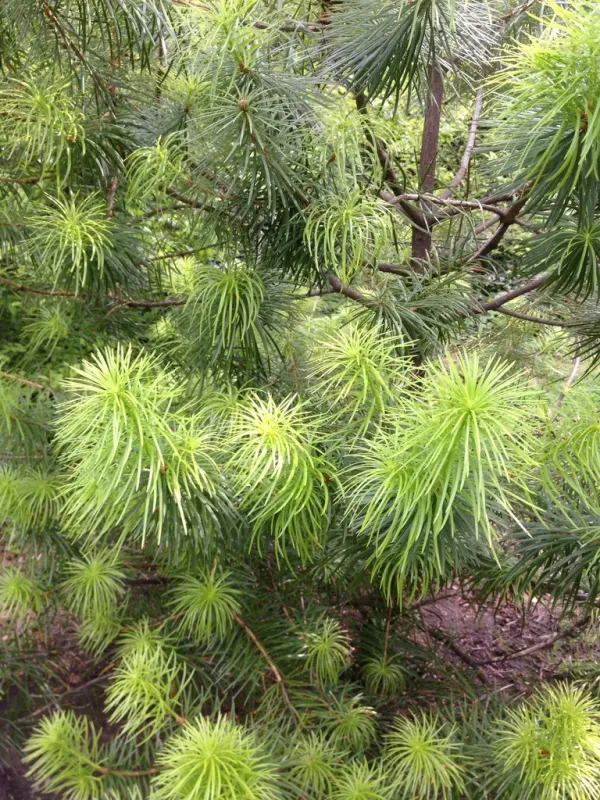
Cathaya argyrophylla, known as the silver cathaya, is a rare evergreen coniferous tree within the Pinaceae family. It is considered a living fossil, having survived since the Tertiary period, and is now primarily found in isolated mountainous regions of China.
The cultivation requirements for this species are strict, as it is adapted to high-altitude humid habitats. It thrives in locations where the air remains cool and humid throughout the year, mimicking its natural mountainous environment.
Soil structure is paramount for success: the tree requires a well-drained, slightly acidic, and nutrient-rich soil. It is highly intolerant of waterlogging, which often leads to rapid deterioration of its fine root system.
Light management involves providing dappled shade during the early stages of development. As the tree matures, it becomes more resilient but still prefers protection from the intense midday sun and scorching winds.
Fertilization should be handled with caution, focusing on slow-release organic inputs that enhance soil microbial activity without causing sudden spurts of vegetative growth that are susceptible to frost damage.
Main diseases and pests
The primary threats to this species include Phytophthora root rot, which is often triggered by poor site selection and overwatering. Proper drainage is the most effective preventative measure against such diseases.
Pests such as spider mites and scale insects can impact the needles, particularly in greenhouse settings where air circulation might be insufficient and humidity levels are uncontrolled.
Environmental stress, specifically severe drought combined with high temperatures, can weaken the plant, making it prone to opportunistic bark fungi that interfere with nutrient transport.
Rodents and other small mammals can cause structural damage by gnawing on the bark of young stems, which is a significant risk in plantation or arboretum settings during the winter months.
Integrated Pest Management (IPM) practices are highly recommended, emphasizing early detection through regular monitoring and the use of horticultural oils rather than harsh systemic pesticides.