
Castanopsis hystrix
Castanopsis hystrix A. DC.
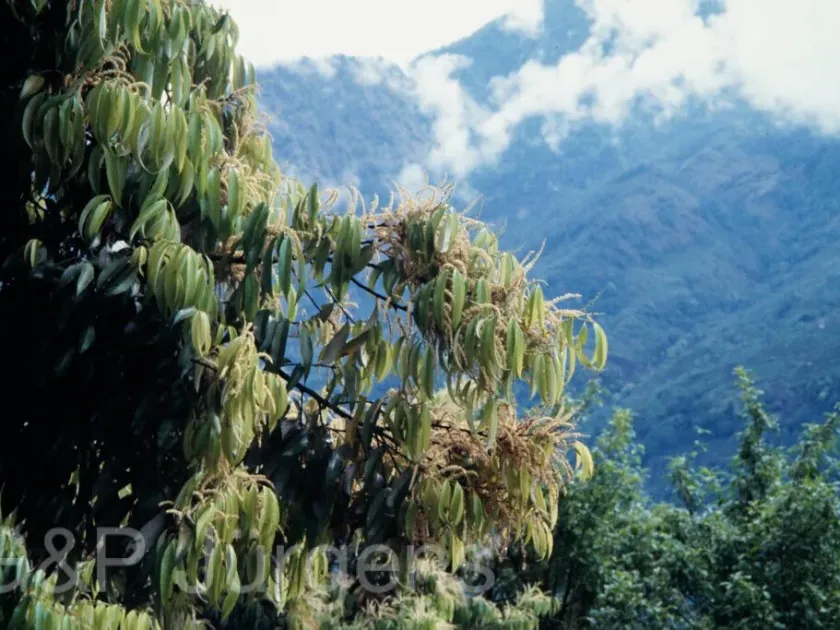
Description
Growing requirements
Castanopsis hystrix is a prominent evergreen species belonging to the Fagaceae family, naturally distributed in subtropical mountainous regions. This tree serves as a vital component of forest ecosystems, known for its dense canopy and significant ecological resilience.
The culture thrives in humid environments and requires deep, well-drained, and nutrient-rich soils to reach its full development potential. It is particularly well-adapted to environments that provide a steady supply of moisture throughout the active growing season.
Regarding climate, the species is sensitive to extreme frost and performs best in stable, temperate-to-subtropical zones. Providing shelter from strong winds is crucial during the juvenile stage to prevent damage to the delicate branches and ensure a straight trunk growth.
Standard agronomic management for this tree involves consistent soil moisture monitoring and periodic organic mulching to regulate soil temperature. As a slow-growing species, it benefits significantly from supplemental feeding during the early years of establishment.
The tree has diverse economic applications, primarily valued for its durable and high-quality timber used in construction and woodworking. Additionally, the edible nut-like fruits represent a sustainable food source, often harvested for local consumption due to their rich nutritional profile.
Main diseases and pests
Root rot caused by waterlogging is a primary concern for Castanopsis plantations. Ensuring excellent site drainage is the most effective way to prevent soil-borne pathogens from compromising the health of the root system.
Leaf-eating insects and beetles can affect the foliage of young trees. Integrated pest management strategies, including the encouragement of natural predators and regular field inspections, are recommended to maintain plant health.
Fungal diseases, including various types of leaf blight, tend to occur in humid conditions with poor air circulation. Proper pruning and sufficient spacing between trees are critical cultural practices to mitigate these risks effectively.
Rodents can pose a threat to the bark of young saplings, especially in areas bordering natural woodlands. Protective tree guards or mechanical barriers are recommended as standard practice during the first few years of growth.
Nutrient imbalances in the soil can lead to reduced vitality and susceptibility to pests. Regular soil testing and balanced fertilization programs help ensure that the tree maintains its natural resistance to environmental stressors and pathogens.