
Castalis spectabilis
Castalis spectabilis
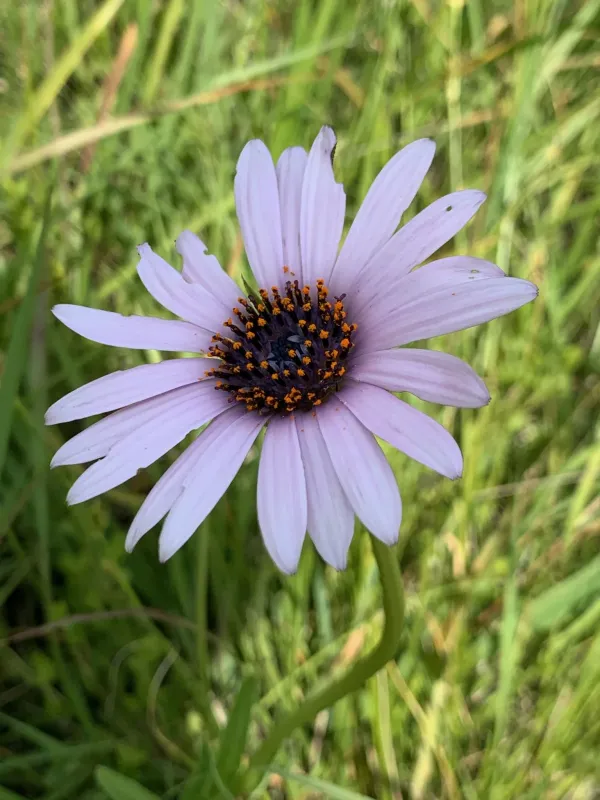
Description
Sowing dates
Castalis spectabilis, a member of the Asteraceae family, is a visually striking flowering plant. In professional horticulture, it is typically treated as an annual or a short-lived perennial, valued for its vibrant flowers and compact growth habit.
Sowing should begin in late winter or early spring in a greenhouse or controlled indoor environment. Using sterile, well-draining seed-starting mix ensures the best germination results for the delicate seeds of this species.
Temperature management during the germination phase is critical, with the ideal range being 18–20 degrees Celsius. Once the seedlings emerge, moving them to a location with high light intensity is necessary to develop sturdy stems and healthy leaves.
For outdoor sowing, it is essential to wait until all danger of frost has passed. The soil should be well-tilled and free of large clumps to provide an optimal environment for the developing root systems of the young plants.
The seeds are small and should be sown near the soil surface, covered only lightly. They require a small amount of light to trigger germination, making precise depth control a key factor in achieving a uniform plant stand.
Growing requirements
Sunlight is the most critical requirement for Castalis spectabilis, which thrives in full sun conditions. Providing less than optimal light levels often results in weak plants with fewer flowers, making selection of the site paramount.
The plant performs best in light, sandy soils that allow for rapid drainage. Soil acidity should be maintained at a neutral to slightly acidic level, which supports the efficient uptake of necessary macro and micronutrients.
Watering strategy should be balanced, as the species is moderately drought-tolerant but appreciates consistent moisture during the peak flowering stage. Overwatering is the primary cause of plant loss, leading to root rot and other issues.
Nutrient management involves using a balanced fertilizer, prioritizing potassium and phosphorus over nitrogen. Frequent but light applications are more effective than heavy doses, which could lead to excessive vegetative growth.
Spacing between plants should be carefully managed to ensure adequate air circulation. Good airflow helps to keep the foliage dry, which is a vital preventive measure against common fungal infections that frequently affect the Asteraceae family.
Main diseases and pests
Powdery mildew represents the most significant fungal threat, especially in humid or poorly ventilated conditions. Management involves removing infected plant tissue and ensuring adequate spacing to prevent further spread of the spores.
Aphids and spider mites are the most common pests, often appearing during hot and dry spells. These pests damage the plants by feeding on sap and can act as vectors for various plant viruses if left uncontrolled.
Integrated pest management (IPM) practices are recommended, focusing on the use of insecticidal soaps or neem oil in the early stages of infestation. These treatments are often effective without causing long-term harm to the environment.
Maintaining high hygiene standards by cleaning tools and removing garden debris prevents the survival of overwintering pathogens. Crop rotation is also recommended to ensure the soil remains healthy for future plantings.
Early diagnosis of plant stress is crucial. Frequent monitoring and observation allow for prompt action, minimizing the need for heavy chemical intervention and preserving the ornamental quality of the cultivation.