
White sapote
Casimiroa edulis La Llave & Lex.
Description
Growing requirements
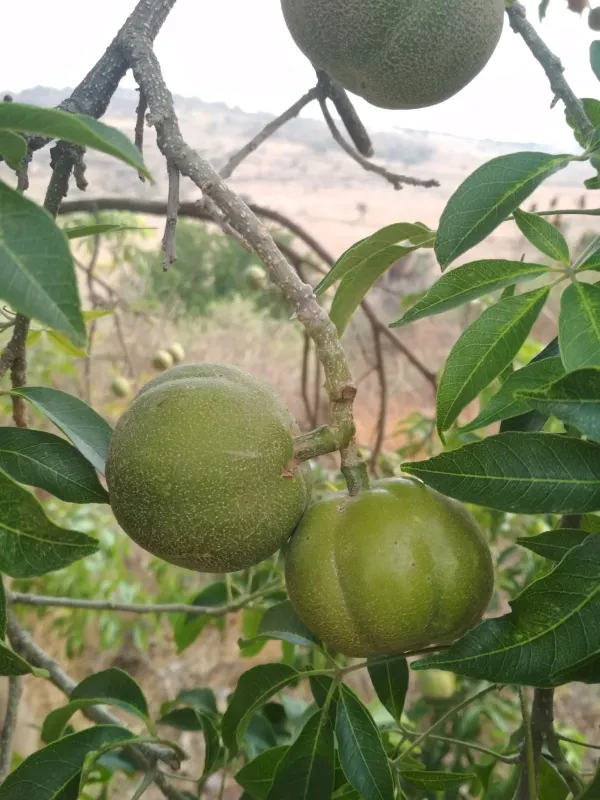
White sapote (Casimiroa edulis) is a member of the Rutaceae family, originating from the highlands of Mexico and Central America. It is a robust evergreen tree widely cultivated for its delicious, creamy fruit.
The tree thrives in subtropical climates. While it displays moderate cold tolerance, handling temperatures as low as -3°C, prolonged frost can severely damage young trees and reduce future fruit production.
For optimal growth, the species requires deep, well-draining, and fertile soil. It is relatively drought-tolerant once established, but supplemental irrigation is essential during dry spells for fruit development.
Sun exposure is critical for the white sapote. It performs best in full sun, protected from strong winds that can break brittle branches or cause excessive fruit drop before maturity.
Pruning is a standard agricultural practice to manage tree height and improve air circulation within the canopy, which helps in preventing fungal diseases and making harvest more manageable.
Yield
The white sapote fruit is highly valued for its sweet, custard-like texture, often compared to a blend of peach, banana, and vanilla. It is a rich source of vitamins and minerals.
A healthy mature tree can yield a significant quantity of fruit annually. Commercial production focuses on varieties with fewer seeds and thin, edible or easily peelable skin.
Beyond fresh consumption, the fruit is utilized in ice cream, smoothies, and various gourmet desserts, making it a popular niche product in local tropical markets.
Strategic planting density in orchards allows for efficient canopy management and mechanized orchard operations where possible, though hand-picking remains necessary for quality.
Improving post-harvest handling is key to maximizing the market potential, as the fruit's delicate nature necessitates careful logistics to reach consumers in prime condition.
Main diseases and pests
The white sapote is susceptible to several pests, including scale insects and mealybugs, which can cluster on the foliage and weaken the overall vitality of the tree.
Fungal issues like anthracnose are common in humid conditions, causing blemishes on the skin of the fruit and defoliation, which requires regular monitoring.
Fruit flies represent a significant threat to orchard profitability. Integrated pest management programs are often employed to monitor and control fly populations during the ripening stage.
Root rot, primarily caused by waterlogged soil or poor drainage, is a major concern. Site selection and proper soil amendment are the best defenses against such soil-borne pathogens.
Early detection of infections and the use of approved biological control agents help maintain tree health while minimizing chemical residue on the harvested fruit.
Harvesting
Harvesting white sapote requires great care. Since the fruit is extremely fragile, it must be harvested by hand to avoid bruising the delicate, soft flesh.
Timing the harvest is critical; fruits should be picked when they reach full size and show a slight change in skin color, indicating they are mature but still firm.
Once harvested, the fruit undergoes a ripening process at room temperature. Proper ventilation during this stage is necessary to ensure uniform ripening and to prevent spoilage.
Packaging involves using protective materials between individual fruits to prevent damage during transit. The fruit's limited shelf life once ripe makes rapid delivery to market essential.
By implementing cold chain logistics, growers can significantly extend the window for sale and maintain the superior flavor and texture that characterizes high-quality white sapote.