
Soft safflower
Carthamus mitissimus
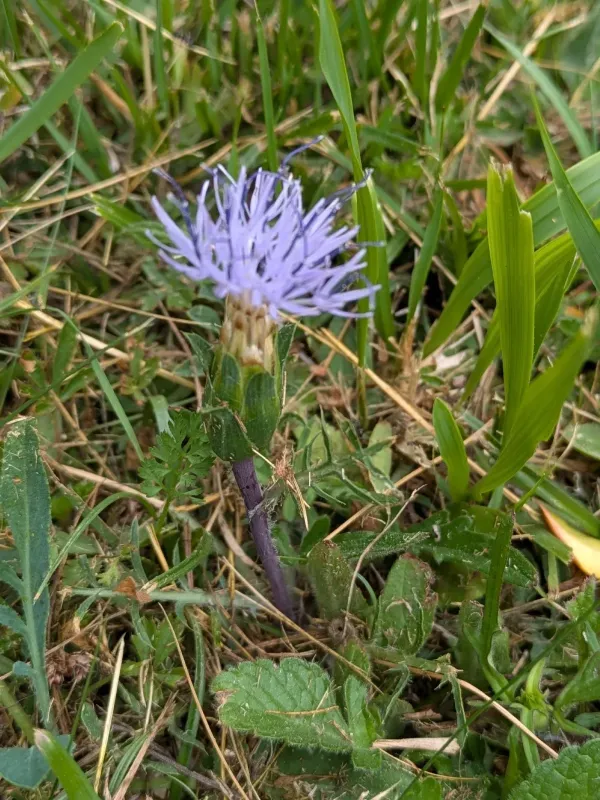
Description
Growing requirements
Soft safflower (Carthamus mitissimus) is an herbaceous plant species belonging to the Asteraceae family. It is a close relative of the common safflower but is distinguished by its softer foliage and unique morphological traits that make it easier to handle during cultivation.
The plant originates from the Mediterranean region, which dictates its preference for warm, sunny environments. This crop exhibits remarkable drought tolerance, making it an excellent candidate for regions facing water scarcity where other oilseeds might fail to produce a viable yield.
Optimal growth requires well-drained soils with a neutral or slightly alkaline pH. Soft safflower thrives in sandy loam soils that prevent waterlogging. Providing proper drainage is essential, as the plant is susceptible to root diseases when exposed to stagnant water conditions.
Biologically, the plant develops a deep taproot system, which allows it to scavenge moisture from deeper soil layers. This characteristic is a key agricultural advantage, as it minimizes the need for supplemental irrigation even during intense summer heatwaves.
The economic value of this crop lies in its potential as an oilseed source and its ornamental appeal. Unlike more aggressive varieties, the lack of sharp spines makes it a highly desirable choice for niche agricultural markets and decorative dried flower production.
Main diseases and pests
Root rot remains the most significant threat to soft safflower plantations, typically triggered by poor drainage or excessive soil moisture. Proper field preparation and selection of elevated areas are the primary strategies for mitigating these fungal infections.
Pests that damage the inflorescences, such as seed-feeding weevils and specific fruit flies, can drastically reduce yields. Monitoring the fields during the flowering phase is essential for timely intervention and crop protection.
Crop rotation is a vital management strategy. Avoid planting soft safflower in fields recently occupied by other Asteraceae species to reduce the risk of soil-borne pathogens accumulating and affecting the new crop cycle.
Weed management during the seedling stage is critical, as the young plants grow slowly and can be easily outcompeted by aggressive weeds. Utilizing mechanical inter-row cultivation helps maintain soil aeration and plant vigor.
While chemical interventions with fungicides and insecticides are possible, an integrated pest management (IPM) approach is recommended to ensure sustainable production and to minimize the impact on beneficial pollinators that visit the flowers.