
Carduus nigrescens
Carduus nigrescens
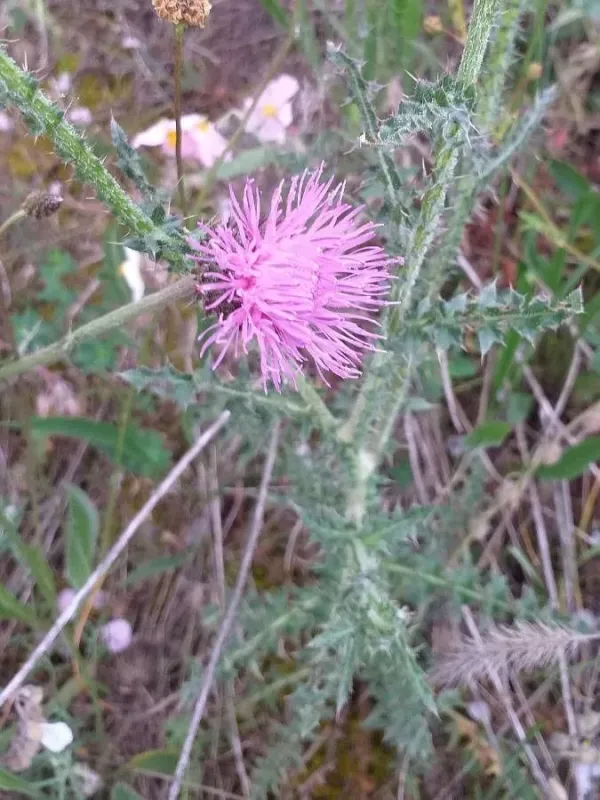
Description
Growing requirements
Carduus nigrescens is a biennial herbaceous plant belonging to the Asteraceae family. In agricultural practice, it is often cultivated for its potential as a specialized nectar source or for raw material production in herbal pharmaceutical applications.
The plant thrives in well-exposed sunny locations. It exhibits significant plasticity regarding soil conditions, though it performs optimally in well-drained, fertile soils with a neutral pH level, which ensures proper nutrient uptake for vegetative growth.
It possesses a strong taproot system, contributing to its high drought tolerance. However, sufficient moisture during the first year of establishment is crucial for the plant to build a robust basal rosette of leaves before transitioning to the reproductive phase.
The ideal temperature range for active growth lies between 18 and 25 degrees Celsius. Carduus nigrescens is highly winter-hardy, allowing it to withstand frost conditions during its vegetative stage without significant loss of viability.
Crop management includes meticulous weeding during the early stages of development. Regular inter-row cultivation helps in maintaining soil aeration and minimizing competition from invasive weeds, thus promoting healthy plant architecture.
Main diseases and pests
Common pests affecting this species include various weevils and aphids that primarily feed on buds and succulent stems. Implementing integrated pest management (IPM) strategies is recommended to protect the floral yield.
Powdery mildew represents a significant fungal threat, especially in environments with poor air circulation or persistent high humidity. Proper plant spacing is a preventative measure to reduce the incidence and spread of the fungus.
Root rot, often caused by waterlogging, can severely inhibit plant vitality. Ensuring that the field has an adequate drainage system is a fundamental requirement for successful production of this crop.
Rust diseases may appear on the foliage under cool and damp conditions. Fungicide applications should be timed carefully to prevent the spread of spores, particularly during the transition from the vegetative to the flowering stage.
Constant monitoring is essential, as the presence of aphids can lead to secondary infections by viral pathogens. Scouting for signs of pest pressure ensures that intervention occurs at the most effective economic threshold.