
Carduus fasciculiflorus
Carduus fasciculiflorus
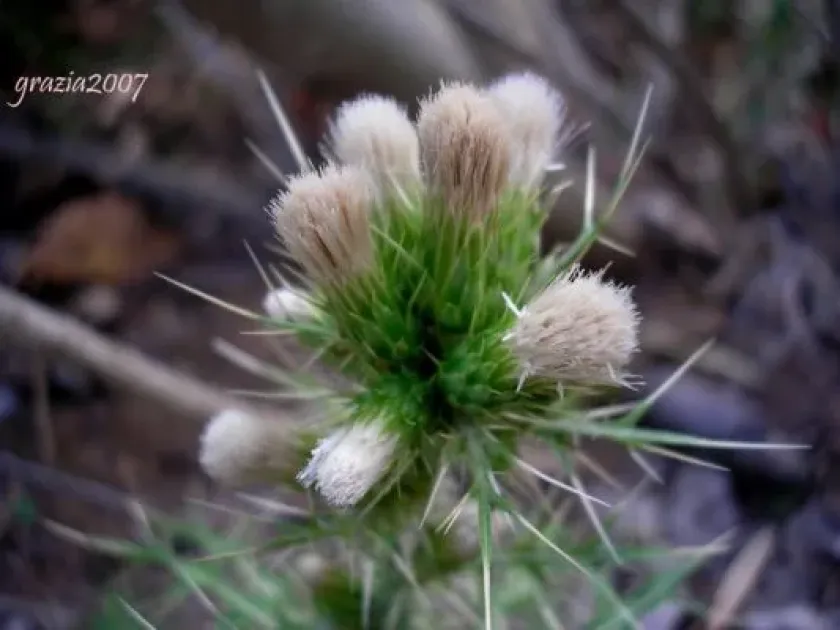
Description
Sowing dates
Carduus fasciculiflorus is a member of the Asteraceae family. Known in the agricultural sector primarily as a thistle species, it often appears as a weed in disturbed lands and cultivated fields.
The life cycle of this plant is typically biennial. In the first year, it develops a rosette of leaves, storing energy in its taproot, while the reproductive structures emerge in the second season.
Reproduction is achieved through seeds that are easily dispersed by wind. A single plant can produce a vast amount of seeds, contributing to its persistence in the environment.
Sowing, if required for ecological or medicinal purposes, is best performed in early spring when the soil starts to warm up. Seeds should be placed shallowly in the soil to ensure optimal germination.
Management in field conditions involves mechanical tillage or the application of herbicides. Prevention of seed set is the most critical strategy to reduce population density over time.
Growing requirements
The plant is highly adaptable to various soil types, preferring well-drained, fertile loams. It can tolerate dry conditions better than many traditional crops due to its deep root system.
Full sun is required for optimal development. Shaded environments inhibit growth and significantly reduce the density of flower heads in the second year.
Soil pH levels should ideally be neutral or slightly alkaline. The plant does not perform well in waterlogged, acidic, or poorly aerated soil conditions.
Temperature range tolerance is broad, as the species is native to regions with seasonal climates. It remains dormant during cold winter months and resumes growth in spring.
Fertilization is rarely necessary for wild populations, but in agricultural settings, phosphorus and potassium can enhance flower production without inducing excessive foliage growth.
Main diseases and pests
Fungal diseases, such as rust and powdery mildew, are common threats, especially in humid and stagnant air conditions. These infections can weaken the plant’s vigor significantly.
Pests like weevils are known to damage the stems and floral structures. Their larvae feed on the internal tissues, causing the plant to wither and fail to produce viable seeds.
Aphid infestations on the tender parts of the plant can lead to leaf curling and the transmission of viral diseases, which hinder overall development.
Integrated Pest Management (IPM) is recommended to address these threats. Scouting for early signs of infestation is crucial to prevent damage to surrounding crops.
Chemical control options should be handled with care to avoid negative impacts on local pollinators, which are frequently attracted to the nectar-rich flowers.
Harvesting
Harvesting of the seeds is done once the flower heads turn brown and the pappus begins to separate. Timing is essential, as the seeds disperse shortly after reaching maturity.
In mechanized settings, direct combining is possible if the crop is uniform. Adjustments to wind speeds in the harvester are necessary to account for the lightness of the seeds.
Post-harvest processing involves cleaning the material to remove chaff and debris. Seed cleaning machines with appropriate screen sizes are standard for this task.
Drying the collected material is a critical step to prevent spoilage. Proper air circulation and controlled humidity are required to maintain seed longevity in storage.
Storage should take place in dry, cool, and rodent-proof facilities. Proper containers help ensure that seeds retain their viability for future use or research purposes.