
Pale corydalis
Capnoides sempervirens
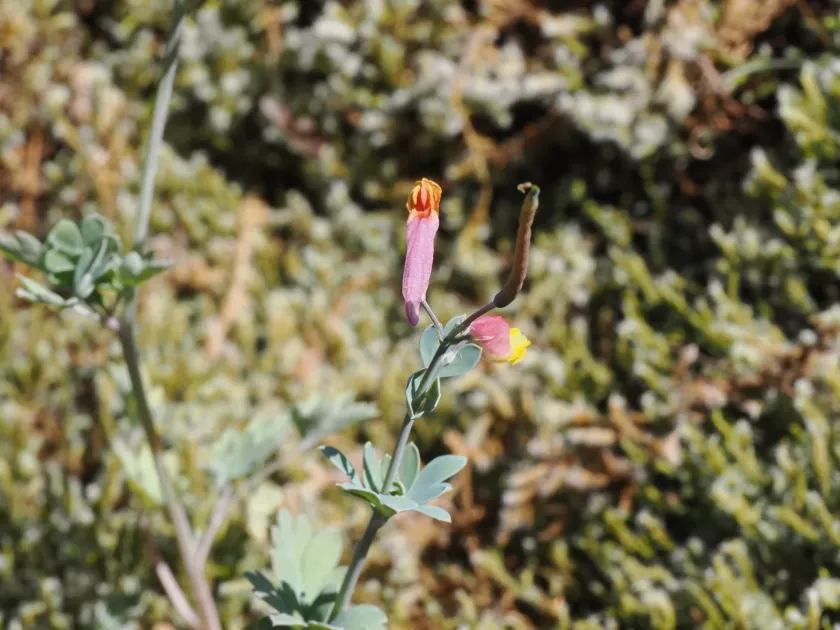
Description
Sowing dates
Seeds of Capnoides sempervirens are best sown in autumn, as they require cold stratification to break dormancy. Sowing directly into the soil allows natural winter temperatures to prepare the seeds for germination in early spring.
If starting indoors, use a lightweight, well-draining potting mix. The seeds require exposure to light to germinate effectively, so press them gently into the surface of the soil rather than burying them deeply.
Maintain a stable temperature of 15 to 18 degrees Celsius during the germination period. Providing consistent, gentle moisture without soaking the growing medium is critical for seed viability and sprout development.
Transplanting should occur once the seedlings develop their second true leaves. Use peat pots or individual containers to minimize root disturbance, which this plant species is particularly sensitive to during early development.
When moving the plants outdoors, ensure they are hardened off gradually over a week. This process adapts them to environmental shifts and reduces transplant shock in the garden bed.
Growing requirements
Belonging to the Papaveraceae family, Capnoides sempervirens is a delicate plant known for its blue-green foliage and elegant flowers. It thrives in cool climates, making it an excellent choice for northern regions or sheltered alpine sites.
The plant demands well-drained, slightly acidic or neutral soil. It is poorly suited for dense clay soils where water accumulation can lead to rapid root rot and overall plant decline within a single season.
Partial shade is ideal for this crop, particularly in warmer climates where the intense afternoon sun can scorch the foliage. Adequate airflow is essential to prevent heat stress and maintain the vitality of the plant.
Watering requirements are moderate; the soil should remain slightly moist but never waterlogged. During periods of drought, supplemental watering is necessary to prevent the leaves from yellowing and wilting.
Applying an organic mulch around the base of the plant helps regulate soil temperature and conserve moisture. This is especially beneficial in regions with dry summers or fluctuating spring weather patterns.
Main diseases and pests
Aphids and spider mites are the most common pests found on pale corydalis. Regular inspection of the undersides of the leaves is advised, followed by immediate treatment with insecticidal soap if an infestation is observed.
Fungal diseases, including powdery mildew, can appear during periods of high humidity and poor ventilation. Pruning and ensuring enough space between individual plants are effective cultural controls for these issues.
Slugs and snails often target the young, tender foliage during wet weather. Utilizing physical barriers like crushed shells or copper tape can protect the plants from significant damage during their early growth stages.
Root rot is a major threat caused by overwatering or poor drainage. Improving the site drainage is the primary defense, as chemical treatments are largely ineffective once the root system has begun to degrade.
- Consistent air circulation
- Careful soil moisture management
- Regular removal of dead plant material
- Monitoring for early signs of pests