
Canscora decussata
Canscora decussata Schult. & Schult. f.
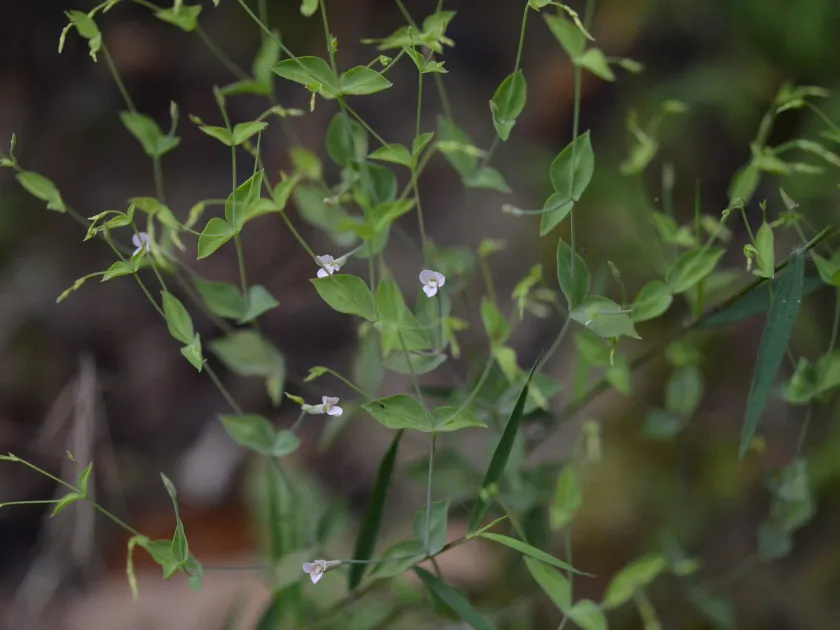
Description
Growing requirements
Canscora decussata is a significant medicinal plant belonging to the Gentianaceae family. Native to tropical regions of India, it is highly regarded in traditional medicine systems for its neuroprotective and adaptogenic properties.
The plant thrives in warm and humid tropical climates, requiring consistent moisture and temperatures between 20°C and 30°C. It is typically found in habitats with well-drained, fertile soil, often in slightly shaded or open grassland areas.
Cultivation requires careful soil preparation; the crop prefers light, porous soil mixtures that prevent waterlogging. Excessive water leads to root damage, so site selection must prioritize effective natural drainage.
Botanically, this is an annual herb characterized by a decussate leaf arrangement and quadrangular stems. The flowers are small, elegant, and generally white or pale pink, appearing during the peak of the growing season.
The primary economic value of this crop is its use as a raw material for pharmaceutical industries. It contains active xanthones that are studied for their potential to support cognitive health and manage stress-related disorders.
Main diseases and pests
Fungal pathogens such as powdery mildew pose a significant threat to Canscora decussata crops, particularly in high-humidity environments. Proper spacing is essential to ensure adequate airflow and reduce infection risk.
Root rot is a common issue caused by soil moisture imbalances. Growers must monitor the irrigation frequency strictly to ensure the root system does not remain saturated, which can lead to rapid plant decay.
Pests such as aphids and spider mites are frequent invaders of these plants. These insects damage the foliage, causing a decrease in the concentration of secondary metabolites, which are essential for the plant's medicinal efficacy.
Weed management is critical during the initial growth phase, as the plant is sensitive to competition from aggressive invasive species. Manual weeding or light mechanical cultivation is recommended to protect the sensitive root structure.
Integrated pest management (IPM) is the best approach for this crop. Because it is used for medical purposes, reducing chemical pesticide use in favor of biological agents ensures the final biomass remains free of residues.