
Canarium hirsutum
Canarium hirsutum
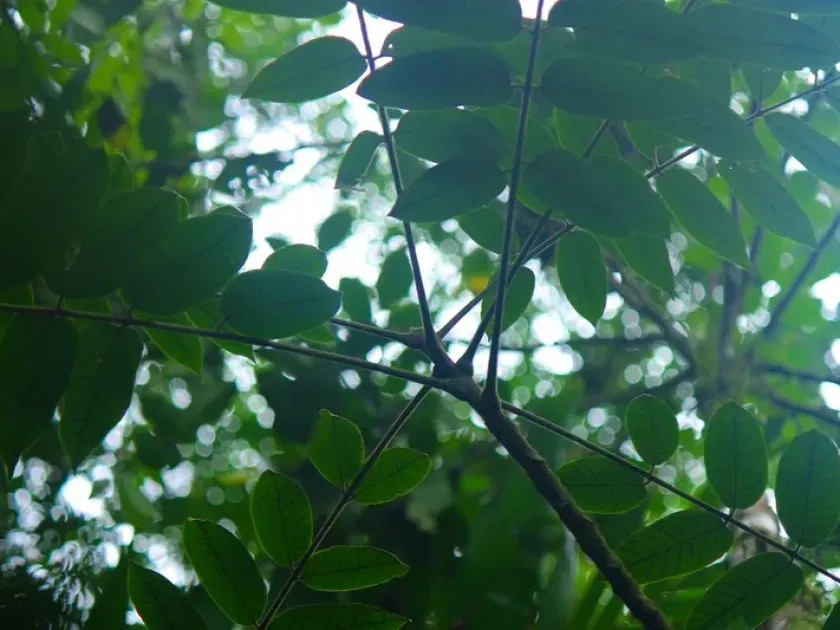
Description
Growing requirements
Canarium hirsutum is a robust tropical tree species belonging to the Burseraceae family. It is widely recognized for its ecological importance and its ability to thrive in humid, tropical lowland forest conditions.
The tree requires a warm and stable climate, ideally with consistent rainfall throughout the year. It does not tolerate frost, making it suitable only for specific tropical agricultural zones.
Soil requirements involve well-drained, nutrient-rich substrates. The tree performs best in slightly acidic to neutral soils that support deep root penetration and healthy development of the tree canopy.
Agricultural management requires regular maintenance, including weeding around the base and consistent mulching to retain moisture. Young trees benefit significantly from shade management during their initial establishment phase.
Propagation is primarily achieved through seeds, although vegetative methods can be used. It is essential to ensure that the site selection provides adequate space for the tree to reach its full natural height.
Yield
The yield of Canarium hirsutum consists of edible, oil-rich nuts contained within a drupaceous fruit. These nuts are a valuable source of fats and proteins for both local consumption and trade.
Harvesting usually occurs when the fruit reaches maturity, often indicated by a color change. The extraction of the edible kernel requires careful processing to preserve its nutritional quality.
Beyond nut production, the tree is a source of oleoresin. This resin has been traditionally used for fuel, medicinal purposes, and as a sealant in various crafts and industrial applications.
Proper pruning practices contribute to higher yields by improving light penetration into the center of the canopy, which stimulates fruit production and enhances tree vigor.
Sustainable harvesting of the fruits, combined with proper fertilization programs, ensures that the trees maintain high productivity levels over multiple decades.
Main diseases and pests
Pest management is a critical aspect of Canarium cultivation. Common threats include stem-boring insects and leaf-eating beetles that can affect the overall health and yield of the tree.
Fungal pathogens pose a risk, especially during periods of high humidity and poor ventilation within the canopy. Managing soil drainage is vital to prevent root rot and other moisture-related diseases.
Mechanical damage to the bark can invite opportunistic pests and infections. Providing protective barriers or covering wounds with natural sealants is recommended for long-term tree health.
Environmental stresses, such as extreme winds, can cause branch breakage in younger or poorly pruned specimens. Structural training during the early years helps mitigate these risks significantly.
- Regular monitoring for pest outbreaks.
- Application of organic fungicides if necessary.
- Ensuring adequate spacing between trees to prevent disease spread.
- Removal and destruction of infected plant parts.