
Campylotropis macrocarpa
Campylotropis macrocarpa
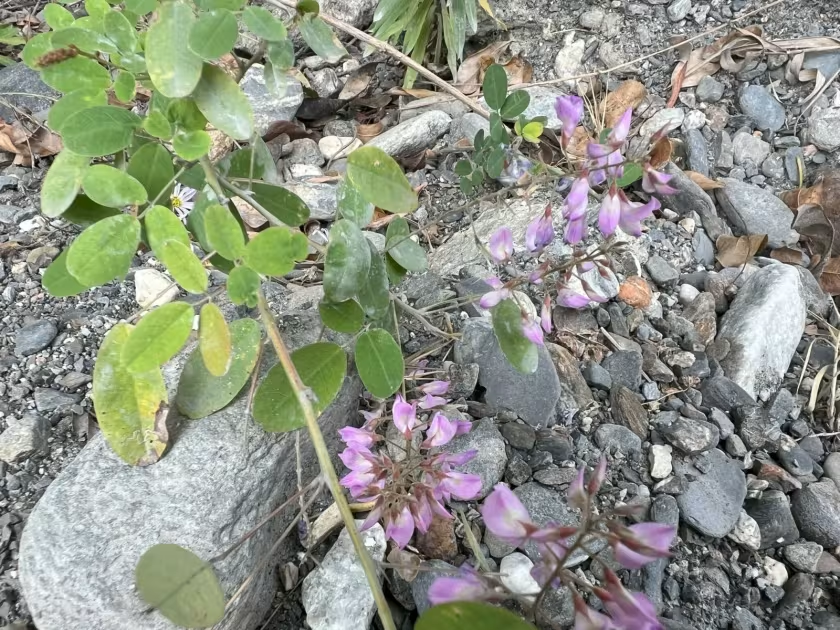
Description
Sowing dates
Propagation of Campylotropis macrocarpa is mainly achieved through seeds, which require careful preparation to ensure successful germination. It is advisable to sow seeds in early spring, once the soil has warmed up and the risk of frost has passed, ensuring optimal conditions for early growth.
Given the hard seed coat, scarification or pre-soaking in warm water for 24 hours is essential. This preparation softens the shell, allowing moisture to reach the embryo and significantly improving the overall germination rate for uniform stand establishment.
Seeds should be sown in a well-draining, nutrient-rich substrate at a shallow depth. Maintaining consistent moisture levels during the initial stages is crucial for young seedlings, although care must be taken to prevent damping-off diseases common in overly wet conditions.
Greenhouse propagation starting in late winter allows for the development of robust transplants. By the time they are moved outdoors, these plants have a more developed root system, which helps them establish themselves more quickly in the field environment.
When sowing in open fields, providing adequate spacing between rows is recommended to facilitate airflow and maintenance. This helps in managing weed competition and ensures that individual plants receive sufficient sunlight and nutrients throughout the growing season.
Growing requirements
As a member of the Fabaceae family, Campylotropis macrocarpa is a deciduous shrub that is highly adaptable but thrives best in full sun. Sunlight is the primary driver of its decorative potential and profuse flowering, making site selection critical for successful growth.
The plant prefers light, well-draining soils with a neutral to slightly acidic pH. It is particularly sensitive to waterlogging, so avoiding low-lying areas or heavy clay soils is necessary to prevent root rot and ensure long-term plant health and vigor.
Once established, the shrub shows a moderate level of drought tolerance. However, during the initial phases of growth, regular watering is recommended to support rapid vegetative development and ensure the plant gains enough strength to withstand seasonal dry spells.
Temperature resilience is a key feature of the species, though it benefits from protection in regions with harsh, prolonged winters. Mulching the root zone provides a layer of insulation that protects the plant from freezing temperatures and helps retain soil moisture.
Nutrient management involves applying balanced fertilizers, particularly in the spring to encourage new growth. However, minimizing high-nitrogen fertilizers toward the end of summer is recommended to promote woody stem development and prepare the plant for winter dormancy.
Yield
Campylotropis macrocarpa is highly valued for its role as a productive honey plant, offering a vital nectar source for bees during the late summer months. Its prolonged flowering period makes it an excellent addition to areas near apiaries to improve honey yield.
When used as a green manure, the crop effectively improves soil quality by fixing atmospheric nitrogen. After the biomass is incorporated into the soil, it decomposes to release nutrients, which enhances soil structure and supports the growth of subsequent crops.
In landscaping and soil conservation, this shrub is utilized to stabilize slopes and prevent erosion. Its extensive root system anchors the soil effectively, reducing surface runoff and protecting vulnerable land from the damaging effects of heavy rainfall and wind.
The biomass of the plant can serve as a supplementary forage source in specific agricultural settings. Its nutritional profile, particularly the protein content, makes it a viable addition to animal diets when integrated properly into agricultural cycles.
Seed production is a significant aspect of the plant's хозяйственное (economic) utility. Proper harvesting and storage of seeds allow for the sustained propagation of the species, ensuring a continuous supply of material for future planting initiatives and conservation efforts.
Main diseases and pests
While generally hardy, the plant can be susceptible to fungal diseases such as powdery mildew, especially in humid conditions. Maintaining adequate space between plants and ensuring good air circulation within the shrub canopy are primary prevention strategies.
Aphids are the most common pests, targeting tender new growth and foliage. Monitoring for these pests is essential, and if infestations occur, the use of biological controls or mild insecticidal soaps is preferred to minimize the impact on beneficial pollinators.
Root rot remains a significant threat if the soil remains waterlogged for extended periods. Improving soil drainage through amendments or careful site selection is the best preventative measure against the pathogens that cause these issues in the root system.
Nematodes may pose a risk in some climates, potentially hindering plant growth from the roots up. Utilizing healthy, certified planting material and implementing crop rotation techniques can help minimize the risk of nematode infestation in the field.
Occasionally, leaves may show signs of spotting or rust due to prolonged exposure to damp conditions. Regular inspections and the application of appropriate fungicides, if necessary, help keep the foliage healthy and ensure the plant fulfills its seasonal growth cycle.