
Campylospermum serratum
Campylospermum serratum
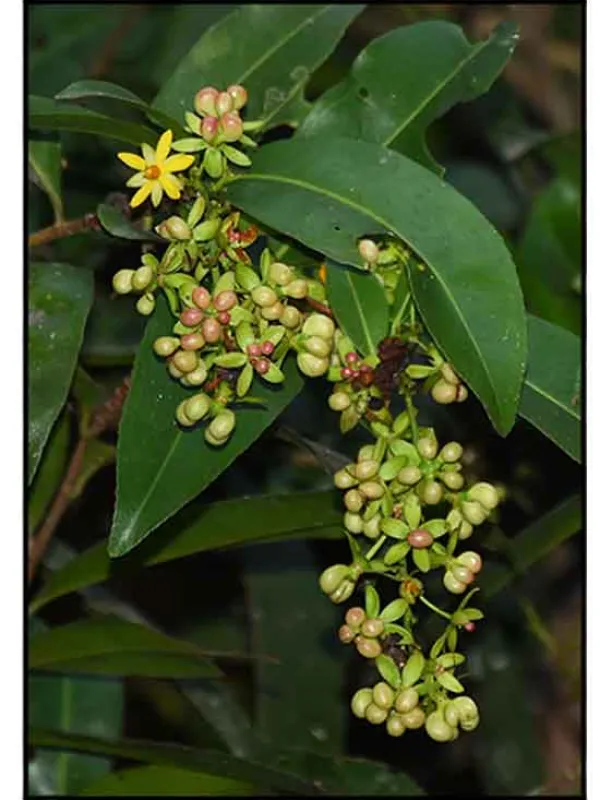
Description
Growing requirements
Campylospermum serratum is a distinct botanical species belonging to the Ochnaceae family. This evergreen shrub is primarily distributed throughout the tropical zones of Southeast Asia, where it thrives under forest canopies.
For successful agricultural production, the plant requires well-drained, nutrient-rich soil with a slightly acidic profile. Achieving the right soil texture is crucial to prevent root asphyxiation, which can occur in heavy, clay-based substrates.
The climate requirements include high thermal stability with daytime temperatures ranging between 22 and 28 degrees Celsius. Any exposure to frost is considered lethal, requiring controlled environment farming in temperate climate zones.
Light management is a critical component of the cultivation cycle. While the plant can tolerate partial shade, consistent growth is best supported by bright, indirect light to ensure optimal photosynthetic efficiency and biomass production.
Agronomic maintenance includes regular nutrient supplementation during the spring and summer months. A balanced NPK fertilizer program helps the plant maintain its lush foliage and supports the development of its characteristic serrated leaves.
Main diseases and pests
The primary pest threats include mealybugs and spider mites, which thrive in low-humidity environments. Integrated pest management strategies, including regular monitoring and the use of horticultural soaps, are recommended to maintain plant health.
Root rot caused by Phytophthora species represents the most serious pathological threat to the crop. To mitigate this, growers should ensure impeccable drainage and avoid over-irrigation during the plant's dormant or cooler seasonal periods.