
Campylospermum mannii
Campylospermum mannii
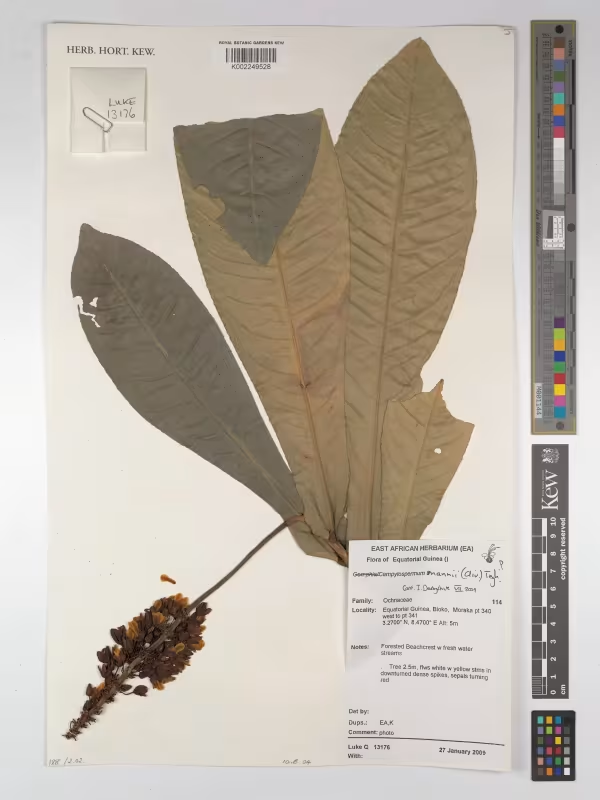
Description
Sowing dates
Propagation of Campylospermum mannii typically relies on seed germination. Seeds are known to lose viability quickly if stored improperly, therefore sowing should take place immediately after harvesting from mature fruits.
In tropical environments, the start of the rainy season is the most suitable time for sowing. Sufficient moisture is critical for the initial development of the root system before the onset of the drier months.
Seeds may require mechanical scarification to break dormancy and ensure uniform emergence. Using a substrate mimicking forest leaf mold with a slightly acidic pH is highly recommended for nursery beds.
Seedlings are highly sensitive to direct sunlight in their early development stages. Providing shade, either through natural canopy cover or artificial netting, is essential to prevent leaf scorch and heat stress.
Transplanting saplings to their permanent location should occur when they reach a height of 30–40 cm. Care must be taken to minimize root disturbance to ensure successful establishment in the field.
Growing requirements
Campylospermum mannii belongs to the Ochnaceae family and is native to the humid tropical forests of West and Central Africa. It requires stable high temperatures and consistent rainfall throughout the year.
The plant thrives in deep, well-drained loamy soils enriched with organic matter. Waterlogged areas must be avoided as they significantly increase the risk of root rot and overall plant decline.
Humidity is a vital factor for this species. Consistent atmospheric moisture levels prevent excessive transpiration and help maintain the physiological functions of the tree during periods of lower rainfall.
Maintenance of the surrounding soil through mulching is an effective agronomic practice. This technique helps retain ground moisture and suppresses competitive weeds that can starve the saplings of nutrients.
As an understory plant, it prefers filtered or dappled light. When planted in plantations, maintaining a density that allows for adequate light penetration without exposing the trees to full sun is ideal for optimal growth.
Yield
The economic value of Campylospermum mannii lies in its seeds and bark, which are utilized for various traditional medicinal and industrial applications. Yield depends on plantation density and soil health.
Fruit production typically commences between 4 to 6 years post-planting. The consistency of the harvest is linked to the level of care and the presence of natural pollinators in the surrounding area.
Pollination efficiency is a key driver of yield stability. If natural pollinators are scarce, integrating beekeeping or improving the biodiversity of the plantation can lead to higher fruit set rates.
Routine pruning serves two purposes: improving tree health and optimizing fruit production. Removing dead or diseased branches helps the tree allocate energy toward generative growth rather than maintaining damaged tissues.
Yield estimation should account for the tree's natural growth cycles. Sustainable harvesting practices involve periodic selection of mature fruits rather than clear-cutting, ensuring the long-term viability of the stands.
Main diseases and pests
The primary threats include fungal diseases that target the root system, particularly in soils with poor drainage. Once a fungal infection takes hold, it can lead to rapid decay and plant mortality.
Pests such as leaf-eating insects can cause significant damage during the active growing season. Reduced photosynthetic capacity due to defoliation weakens the overall tree structure and production.
Integrated Pest Management (IPM) strategies are recommended to manage these threats. Prioritizing biological controls, such as beneficial insects, minimizes the ecological impact on the plantation environment.
Regular monitoring of the trees is essential for early detection of spot diseases or wilting. Infected foliage should be promptly removed and destroyed to prevent the spread of spores within the plantation.
Improving airflow within the plantation canopy significantly reduces the occurrence of diseases. Proper spacing between trees prevents the accumulation of excess humidity, which is a major precursor for fungal infections.
Harvesting
Harvesting is performed manually, with collectors targeting fruits that have reached their peak maturity. Harvest timing is critical, as immature fruits lack the necessary chemical compounds for industrial use.
Post-harvest processing is highly sensitive. The seeds must be extracted and dried carefully at low temperatures to prevent the degradation of valuable lipids and secondary metabolites found within the plant material.
Storage requires a cool, dry, and dark environment. Exposure to direct sunlight or moisture during storage can lead to rapid rancidity of the lipids and the growth of mold on the product.
Transport logistics should emphasize ventilation. Using breathable packaging materials ensures that the harvested material remains stable during transport, reducing the risk of deterioration due to heat buildup.
Effective harvest management is the final step in ensuring quality. By aligning collection windows with seasonal dry patterns, growers can maximize efficiency and protect the economic viability of their operations.