
Campylospermum laxiflorum
Campylospermum laxiflorum
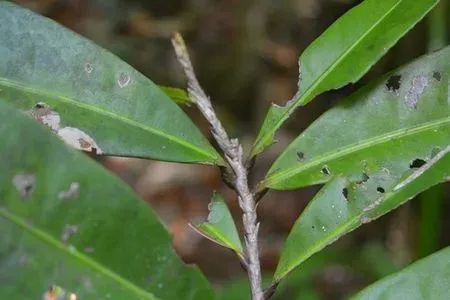
Description
Growing requirements
Campylospermum laxiflorum is a woody shrub belonging to the Ochnaceae family, native to the tropical ecosystems of West and Central Africa. It typically flourishes in the shaded layers of lowland rainforests.
The plant demands a tropical climate characterized by consistently high temperatures and minimal seasonal variation. It is intolerant of frost, requiring a protected environment if introduced to non-native regions with lower average temperatures.
Soil management for this species focuses on nutrient-rich, well-draining substrates with an acidic pH. The root system is highly susceptible to hypoxia; therefore, soil aeration is a primary concern for long-term survival in agricultural settings.
Humidity management is essential for successful cultivation. Maintaining high atmospheric moisture is required to replicate the plant's native ecological niche, often necessitating the use of misting systems in controlled greenhouse environments.
Botanically, the species is identified by its alternate, simple, and serrated leaves. Its small, yellow flowers are arranged in loose inflorescences, followed by distinct, fleshy drupe-like fruits that are characteristic of the Campylospermum genus.