
Campyloneurum phyllitidis
Campyloneurum phyllitidis
Description
Growing requirements
Campyloneurum phyllitidis is an epiphytic fern belonging to the Polypodiaceae family. It is native to tropical regions of the Americas, where it typically grows on trees or rocky outcrops.
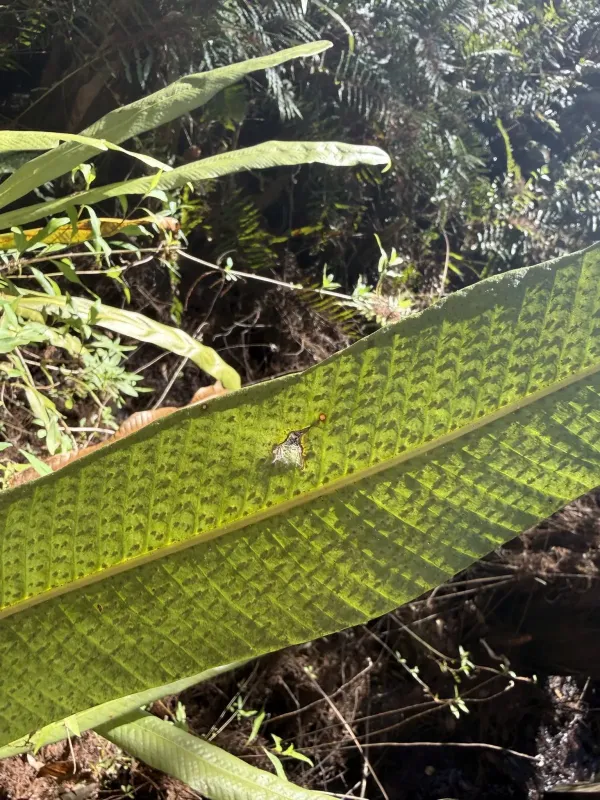
Botanically, this species is characterized by long, simple, leathery fronds that arise from a creeping rhizome. This growth habit requires specialized cultivation techniques that mimic its natural epiphytic environment.
For successful cultivation, the climate must be kept warm and humid. The plant does not tolerate cold drafts or extreme temperature fluctuations below 15 degrees Celsius.
The substrate must be highly porous and well-draining. A typical potting mix consists of pine bark, perlite, and sphagnum moss to ensure optimal aeration for the roots.
Watering should be consistent but cautious. Allow the surface of the medium to slightly dry out before irrigating again to prevent fungal growth within the root zone.
Main diseases and pests
The most common pests affecting this fern are scale insects and mealybugs, which tend to hide along the midrib of the fronds.
Spider mites are another frequent problem, particularly in environments with poor air circulation and low relative humidity levels.
Root rot caused by overwatering is a significant threat to the plant's health, often leading to rapid decline if not identified early.
Fungal leaf spots can occur if water remains on the foliage for extended periods, necessitating good air movement within the greenhouse or indoor space.
Integrated pest management, including regular monitoring and the use of horticultural oils, is recommended to keep the plant healthy and prevent infestation.