
Camptocarpus mauritianus
Camptocarpus mauritianus
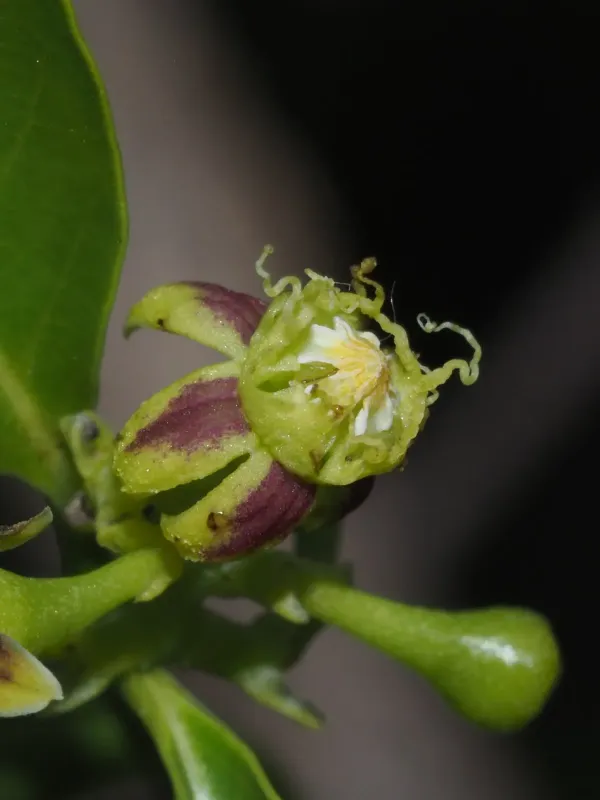
Description
Sowing dates
Camptocarpus mauritianus is a tropical vine that requires greenhouse cultivation in regions outside its native subtropical and tropical range.
The ideal period for sowing seeds is during the early spring months to leverage increasing day length and solar intensity for seed germination.
Pre-soaking the seeds in growth-promoting solutions is recommended to soften the outer layer and improve the uniformity of sprout emergence.
Seeds should be sown in a high-quality, well-aerated potting mix, barely covering them with a thin layer of fine substrate.
Maintaining a consistent soil temperature of 25 to 28 degrees Celsius is essential to achieve successful germination within the expected timeframe.
Growing requirements
This species belongs to the Apocynaceae family and is native to the humid tropical forest environments of Mauritius and surrounding regions.
Successful growth depends on maintaining a high level of air humidity and ensuring a stable environment free from cold drafts and temperature fluctuations.
The plant thrives in nutrient-rich, well-draining soil mixtures that prevent moisture accumulation around the roots, preventing potential oxygen deprivation.
As a climbing vine, Camptocarpus mauritianus requires a vertical support structure to facilitate healthy development and proper leaf exposure to light.
Fertilization should be applied moderately during the peak growing season, using a balanced fertilizer formulation to support vigorous stem growth.
Main diseases and pests
Spider mites are the most significant pest threat, particularly in environments where air humidity levels drop below the optimal thresholds for the plant.
Root rot, induced by excessive soil moisture or improper drainage, represents the most common physiological disorder affecting this tropical species.
Mealybugs can also pose a risk by congregating in leaf axils, which can cause leaf drop and stunt the overall growth of the vine.
Preventive maintenance involves regular inspection of foliage and maintaining a clean greenhouse environment to stop the proliferation of pests.
If chemical interventions are necessary, spot treatments are preferred to manage specific infestations without impacting the sensitive plant tissue.