
Camphorosma monspeliaca
Camphorosma monspeliaca
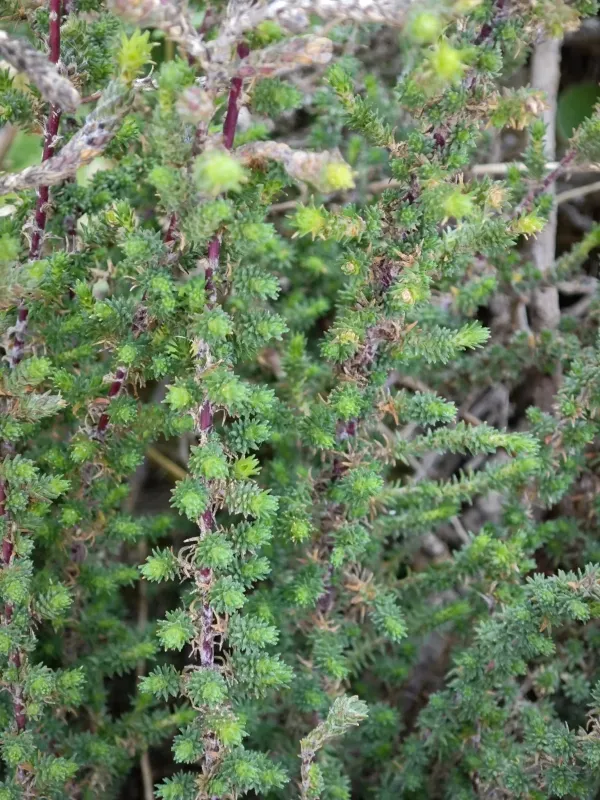
Description
Growing requirements
Camphorosma monspeliaca is a perennial subshrub belonging to the Amaranthaceae family. It is characterized by its distinctive camphor-like scent, which is a result of the essential oils contained in its leaves and stems.
The natural range of this species extends across Southern Europe, the Caucasus, and Central Asia. It is a highly specialized plant that thrives in dry steppe environments and semi-arid regions.
The primary agronomic value of this plant lies in its remarkable halophytic nature. It is capable of growing in highly saline soils where common crops cannot survive, making it valuable for ecological restoration.
This species is extremely photophilous, requiring full sunlight to develop properly. It demonstrates high resistance to prolonged droughts, maintaining vegetative activity under conditions of minimal water availability.
The ideal soil conditions for this plant are alkaline, saline, or sodic soils. Its deep taproot system helps in improving soil stability and promotes the leaching of salts from the upper soil layers over time.
Main diseases and pests
The most significant threat to the survival of Camphorosma monspeliaca is excessive soil moisture and waterlogging. These conditions are detrimental to the root system and quickly lead to plant decay.
Insects, particularly locusts and grasshoppers, are known to cause significant damage to the biomass. In some regions, large swarms can consume vast areas of the native vegetation, including this species.
Fungal infections can occur if the plant is grown in areas with high humidity and poor ventilation. Excessive foliage density can lead to the development of mold, which negatively impacts plant health.
Competition from invasive fast-growing weeds is a limiting factor during the establishment phase. Seedlings are slow-growing and can easily be suppressed by more aggressive non-native plant species.
Habitat loss due to land development and intense overgrazing significantly reduces the population density of this species in its natural range, making it important to manage grazing intensity.