
Hedge bindweed
Calystegia sepium (L.) R. Br.
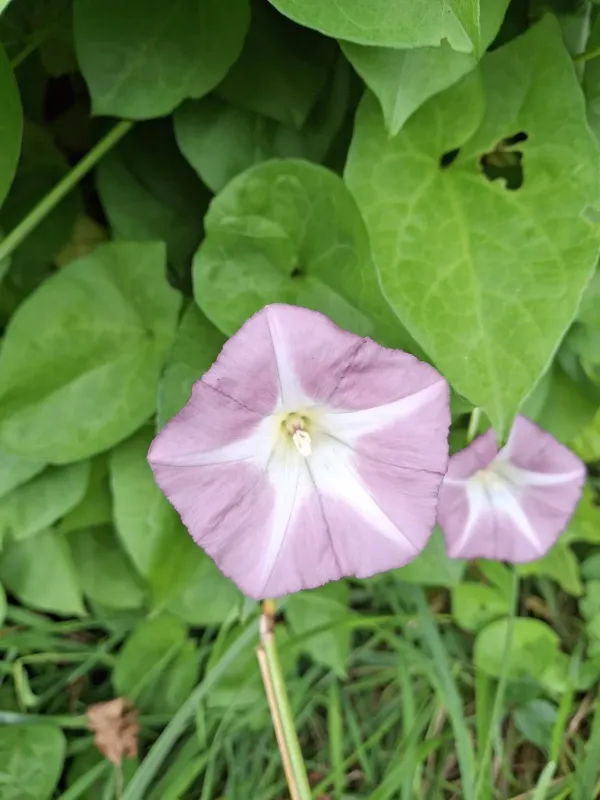
Description
Growing requirements
Hedge bindweed (Calystegia sepium) is a member of the Convolvulaceae family. It is a perennial herbaceous climber known for its persistent rhizome system that can reach significant depths in the soil.
The plant is native to the temperate regions of the Northern Hemisphere. It thrives in moist, fertile habitats such as riverbanks, hedge rows, and increasingly as a problematic weed in cultivated agricultural lands.
Regarding its habitat requirements, it prefers deep, moisture-retentive soils with high nutrient content. While it can survive in various light conditions, it grows most vigorously in full sunlight.
The botanical structure consists of twining stems that can reach heights of several meters, utilizing surrounding vegetation for support. The leaves are arrow-shaped, and the large white flowers are a distinctive feature of the species.
In agriculture, hedge bindweed is considered a major weed. It competes with crops for water, nutrients, and sunlight, often causing mechanical damage to crops due to the weight of its dense climbing foliage.
Main diseases and pests
Common diseases affecting hedge bindweed include powdery mildew, which can cover the foliage in a white fungal layer, though this rarely kills the hardy plant.
Insects such as aphids and various leaf beetles can feed on the stems and leaves, acting as minor biological regulators in natural ecosystems.
Management of this weed is notoriously difficult due to its extensive underground rhizome network, which can regenerate even after being broken into small segments.
Recommended control measures involve cultural practices like crop rotation and cover cropping, alongside the strategic use of systemic herbicides applied during the plant's active growth phase.
Ongoing monitoring is essential, especially in moist field edges, to prevent the plant from establishing a dominant colony that could impact overall crop yield efficiency.