
Calypogeia muelleriana
Calypogeia muelleriana
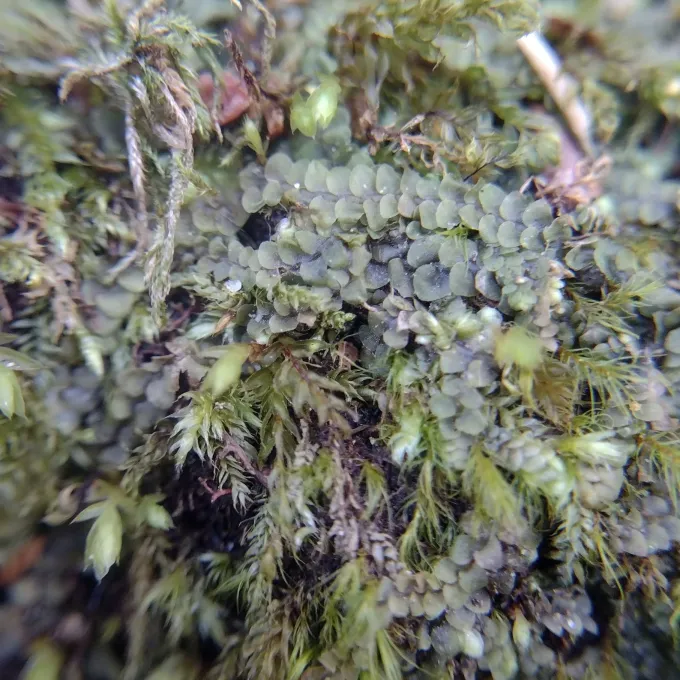
Description
Growing requirements
Calypogeia muelleriana is a species of liverwort belonging to the Calypogeiaceae family. It is a perennial plant typically found in damp, shaded forest environments, playing a key role in forest floor ecology.
The plant has a cosmopolitan distribution in temperate regions, thriving in habitats where high atmospheric humidity and consistent moisture in the substrate are maintained throughout the year.
Morphologically, it forms prostrate shoots with overlapping leaves. These structures allow the plant to retain water effectively, adapting it to niches such as decaying logs and wet soil banks.
Its cultivation requirements focus on high humidity, indirect light, and a stable, organic-rich growing medium. It is often utilized in specialized greenhouse setups or vivariums to mimic natural forest floors.
The species does not have traditional agricultural applications, but it is a subject of study in bryology due to its sensitivity to microclimate fluctuations and environmental quality.
Main diseases and pests
Habitat loss, particularly the removal of coarse woody debris, represents the primary threat to the persistence of this species in managed landscapes.
Pollution, including airborne nitrogen deposition and heavy metal contamination, acts as a significant threat to its survival, as liverworts lack cuticles to block toxic substances.
Climate change, manifesting in prolonged droughts and reduced humidity, can cause rapid desiccation and the collapse of liverwort colonies that rely on stable moisture levels.
Altered forest composition, leading to increased light intensity on the forest floor, makes Calypogeia muelleriana vulnerable to competition from more resilient species.
Fragmentation of forest patches reduces the genetic exchange between populations, making them more susceptible to localized extinction events within damaged woodland ecosystems.